A Clear Path Forward: Methods for Unclog Your Drains Without Stress


Obstructed drains are a common home issue that can lead to annoyance and high maintenance if not addressed quickly. Be it the cooking sink not willing to drain after cleaning dishes or the restroom basin slowly pooling with liquid, these problems can disturb your everyday routine. Understanding the factors of clogs and how to avoid them can save you hours and stress.
In this article, we will discuss different facets of drain maintenance and clearing strategies. From recognizing View website that your pipe may be on the threshold of blockage to understanding the most effective techniques for clearing clogs, we will offer valuable tips to help you navigate these issues. Whether you prefer DIY methods or are considering calling in a professional, we've got you sorted with effective tips and recommendations to ensure clear waters ahead.
Frequent Factors of Obstructed Drains
Obstructed drainage systems are a frequent household problem that can arise from a variety of origins. One of the main culprits is hair, especially in sinks in the bathroom and shower drains. As time passes, strands of hair can combine with soapy residue, creating a thick plug that hinders the flow of liquid. Routine maintenance, such as employing drain screens and planning maintenance sessions, can help mitigate this problem.
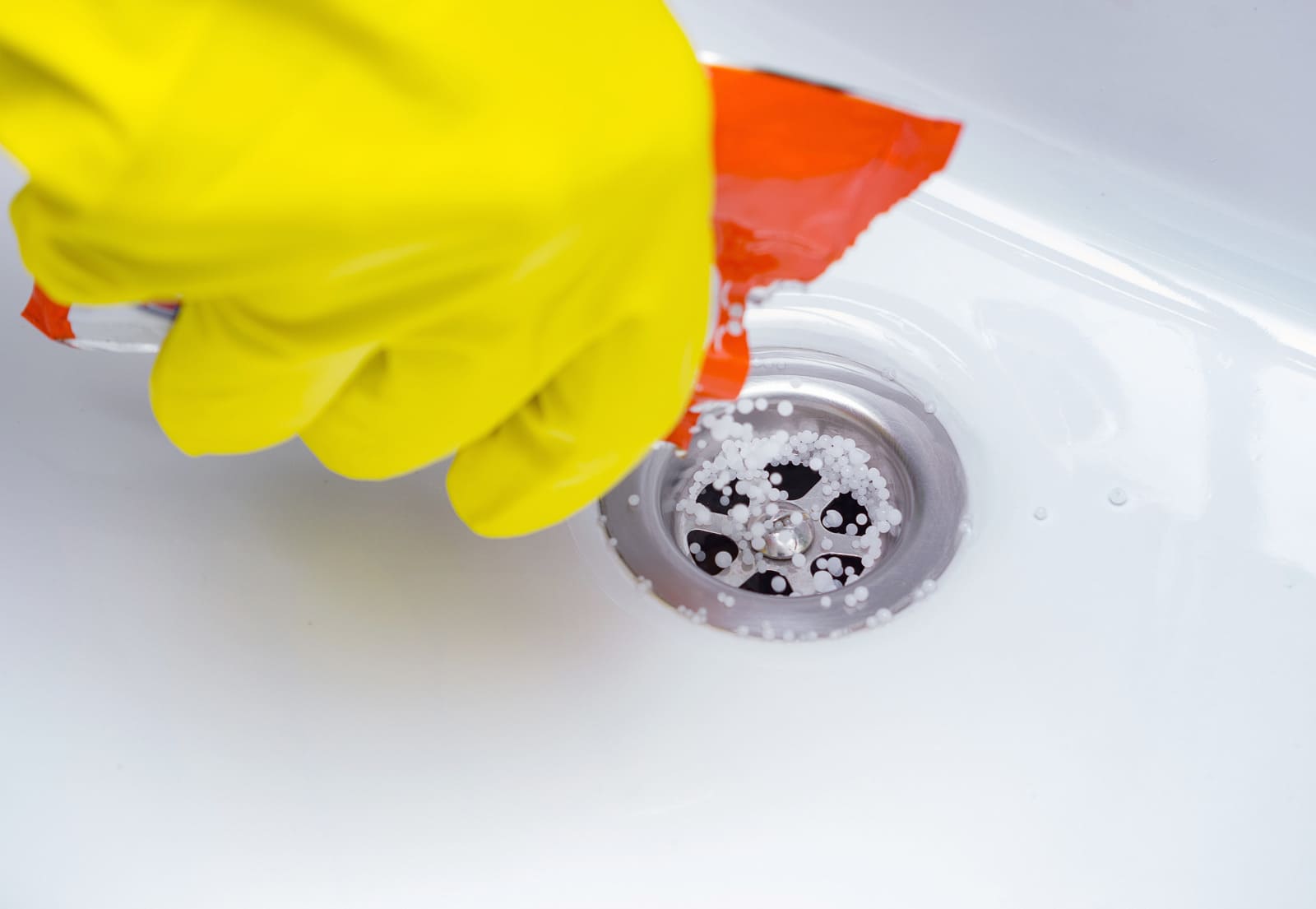
Another significant reason of clogs is the accumulation of fat and leftover food in sinks in the kitchen. When cooking fats are washed down the sink, they can congeal and merge with food debris, leading to persistent blockages. To mitigate this, homeowners should refrain from disposing of fat down the drain and can employ a drain catch to trap leftover food, encouraging more efficient drainage.
Besides human hair and grease, tree roots can also be a less obvious reason of major drain blockages, notably in antique houses. Roots naturally seek out hydration and can penetrate sewer lines through tiny fissures or seams. Once they get in, they can expand and result in significant blockages. Consistent evaluations and care can help spot and resolve these issues before they escalate.
DIY Unclogging Techniques
If you encounter a blocked pipe, there are several effective DIY techniques you can try before contacting a professional. One common technique is utilizing a combination of bicarbonate of soda and acetic acid. Start by pouring half a cup of baking soda down the drain, followed by half a cup of acid. This combination will create a fizzing reaction that can break down gunk and debris. Allow it to sit for about half an hour, then rinse the pipe with boiling water to clear away dislodged blockage material.
Another handy method involves boiling heated water. This is particularly helpful for kitchen sinks clogged with grease. Simply boil a kettle of water and pour it directly into the pipe in stages. This can help melt the grease and detergent build-up, allowing it to move down the drain more effortlessly. For stubborn clogs, you might consider a plunging tool. Make sure there's some water in the basin to create a good seal, then apply pressure vigorously to remove the clog.
Should these approaches fail, a clog remover can be a great option. A snake is a bendable tool that can reach deep into drains to break apart or retrieve clogs. Begin inserting the snake into the pipe and turning the handle to enable it to navigate through bends and corners. As soon as you detect resistance, continue to turn and apply lightly until the blockage is dislodged. Once using any these approaches, it’s advisable to let warm water run to confirm the pipe is fully cleared and functioning correctly.
When to Call a Qualified Plumber
Recognizing when to call a professional plumber is essential to avoiding further damage and costly repairs. If your drain remains clogged despite your efforts to unblock it using DIY methods, it may indicate a more serious issue that needs expert attention. Persistent clogs, repeat problems in multiple drains, or backflow can indicate a blockage further inside your plumbing system, often necessitating specialized tools and knowledge to fix.
Additionally, if you notice unusual smells or gurgling sounds emitting from your drains, this could suggest a problem that goes beyond a minor clog. These indicators may point to issues such as sewer line backups or major obstructions that demand immediate professional intervention. Ignoring these symptoms can result in more severe plumbing complications, including water damage to your home.
In conclusion, do not hesitate to contact a professional if you're facing a plumbing emergency. For extensive water backups, signs of leaks, or damage to your plumbing infrastructure, prompt professional help is vital. Keep in mind that skilled plumbers are equipped with advanced tools like drain cameras and hydro jetting equipment to efficiently diagnose and resolve complex drain issues that are beyond the capability of typical home remedies.