A Gardening Task Guide: What All Gardening Enthusiast Should Know


Maintaining a garden is not just a task, but a fulfilling activity that improves the beauty and health of your garden area. For all gardeners, whether experienced or new to gardening, understanding the key duties that change with the different times of the year is important. From the fresh blooms of spring to the serene stillness of the winter months, each season brings its own set of responsibilities that help your garden prospers throughout the year.
In this detailed guide, we will explore 30 essential garden maintenance tips that every gardener should be aware of. You will discover the value of seasonal checklists designed to help you navigate spring upkeep, summer heat management, autumn preparation, and protecting your garden in winter. Additionally, we will explore specific areas such as caring for your lawn, pest control, and sustainable practices that not only enhance your garden but also increase the value of your property. Whether you are a homeowner with a hectic schedule or tending a rental property, these tips will enable you to create and sustain a flourishing garden with simplicity. spintax
Essential Periodic Maintenance Tips
Springtime is the season of rebirth and a critical moment for garden maintenance. Start your spring garden maintenance checklist by tidying up any clutter that has accumulated over the winter months. Garden Maintenance Yarm-on-Tees North Yorkshire includes dropped leaves, twigs, and all dead vegetation. Next, assess your soil health by measuring its acidity and nutrient levels. Mix in organic matter such as compost to improve soil structure and fertility. Moreover, this is the ideal time to prune dead or diseased branches from shrubs and secure robust growth throughout the season.
As summer temperatures rise, focusing on watering and hydration is important. Adopt irrigation tips for effective garden maintenance, such as using drip irrigation or soaker hoses to minimize water waste. Regularly monitor your plants for signs of heat stress or pests, and apply organic pest control methods as necessary. Mulching around plants will help keep soil moisture and reduce weeds, allowing your plants to thrive during the hot months. Maintaining your garden well-weeded will greatly reduce competition for nutrients and water.
Autumn signals the time to prepare your garden for the cold ahead. Start with autumn garden maintenance tasks like trimming back perennials and sowing spring-flowering bulbs. Rake up fallen leaves and consider adding them to your compost or using them as mulch. This is also an perfect time to assess the health of your lawn; overseeing and feeding it in the fall will ensure a lush carpet come spring. In conclusion, winterize your garden by protecting delicate plants from frost with covers or mulch, making sure they emerge healthy when spring returns.
Yard Care for All Lifestyle
Maintaining a garden can be equally gratifying and demanding, depending on your lifestyle. For hectic homeowners, embracing a minimal care landscape design is crucial. This approach centers around selecting resilient plants that require less frequent irrigation and pruning. By adding automatic irrigation systems and incorporating native plants, you can establish a thriving garden that prospers with little effort, allowing you to enjoy your outdoor space without feeling overwhelmed by chores.
For individuals who have more time to devote gardening, a detailed 30-day garden maintenance checklist can be helpful. This provides planning seasonal tasks, such as trimming, feeding, and weeding. Participating in https://squareblogs.net/slipinput50/sustainable-gardening-environmentally-responsible-cultivation-methods helps ensure that your plants remain healthy and vibrant throughout the year, while also offering chances for experimentation with different plant combinations and techniques. Regular care can also improve your garden's overall appearance and ecological value.
For people with limited space, such as city dwellers, there are specific strategies to maximize your gardening experience. Pot gardening and vertical garden solutions allow for planting in small areas while still preserving a lush environment. Using versatile plants that can thrive in small spaces ensures that you can enjoy gardening even in a compact area. Utilizing eco-friendly practices, such as composting and natural pest control, enhances your urban garden while contributing positively to the environment.
Tools and Techniques for Effective Maintenance
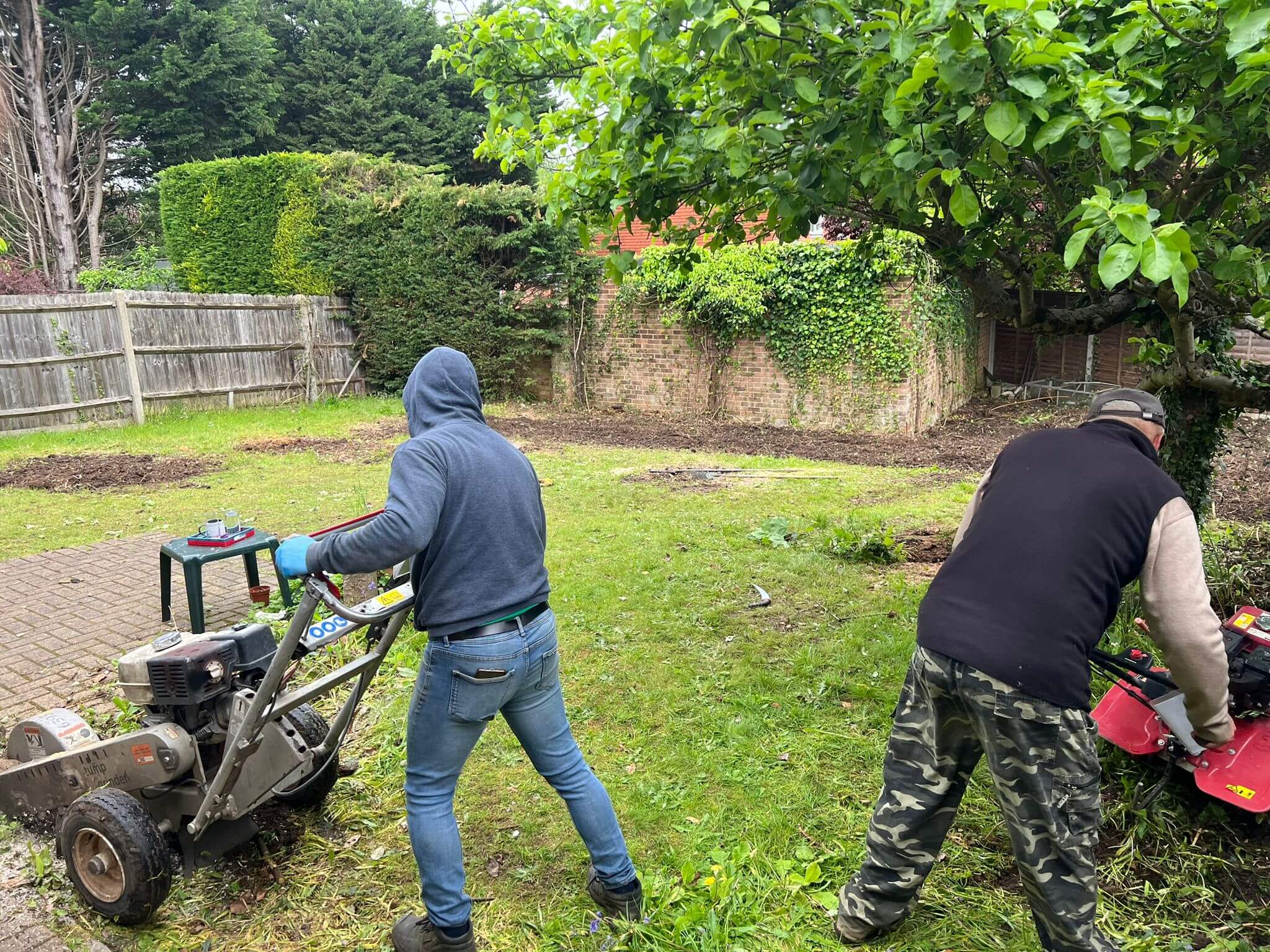
Having the appropriate tools is crucial for successful garden maintenance. Every gardener should own a standard set of tools that includes a high-quality spade, rake, hoe, pruning shears, and a lawnmower. These tools aid in various tasks, ranging from soil preparation to pruning plants and keeping the lawn neat. Additionally, investing in a good pair of gardening gloves can shield hands while providing a secure grip when working with soil or managing plants.
Strategies play a key role in ensuring that the maintenance tasks are carried out effectively. Frequent rotating crops in your garden can enhance soil health and reduce pest issues. Using a mulching strategy not just helps hold moisture but also suppresses weeds and adds nutrients back to the soil as it rots. Furthermore, comprehending the specific needs of various plants throughout the seasons can assist in effective watering, fertilization, and pest control.
Finally, employing efficient irrigation systems can vastly improve garden management, especially during higher temperature months. Drip irrigation or soaker hoses reduce water wastage while making sure that plants receive adequate hydration. Combining these tools and techniques will not just simplify garden maintenance but additionally enhance the overall health and beauty of your garden during the year.