A Home Cinema Revolution: Establishing Your Ideal Viewing Space


Lately, the home theater experience has evolved from a luxury enjoyed by a handful of individuals to a popular endeavor that many have taken up. With advancements in technology and a wide range of equipment options, setting up your perfect entertainment space has become more achievable than ever. Whether you imagine a comfortable film room adorned with screening fabrics and luxurious seating or a state-of-the-art entertainment hub equipped with the latest projectors and immersive audio systems, the options are limitless. This guide aims to take you on the exciting adventure of home cinema installation, offering valuable insights and actionable advice to help you create a space tailored to your specific requirements.
Embarking on the quest for an ideal home cinema involves several crucial decisions, from selecting the appropriate display and audio setup to considering the configuration and illumination of your designated area. You might find yourself wondering whether to tackle the project as a DIY initiative or hire professionals for an expert installation. In this piece, we will discuss everything you need to know, including frequent pitfalls to avoid to steer clear of, the effect of design decisions on your viewing pleasure, and how to ensure longevity for your setup. Get ready to dive into the home cinema revolution and transform your entertainment space into a private haven for films, gaming, and sports enjoyment like you've never experienced.
Professional vs. Do-It-Yourself Home Cinema Installation
When it comes to setting up a home cinema, one of the first considerations to make is whether to handle the installation yourself or employ a contractor. A DIY installation can be appealing for those who enjoy hands-on projects and want to cut costs. With countless online resources and tutorials available, many homeowners feel capable in their ability to create and implement a home cinema system that meets their cinematic needs. However, this approach demands a substantial time investment, technical know-how, and a good understanding of acoustics, wiring, and equipment compatibility.
On the other hand, specialist home cinema installation ensures that every element of your setup is enhanced for efficiency and functionality. Experts are well-versed in the most recent technologies and can provide insightful insights into the best equipment choices for your area. They also have the skills to manage complex wiring, calibration, and coordination of audio and visual components. This means less worry for you and a streamlined process that typically results in a better final product, especially if you desire a more sophisticated setup.
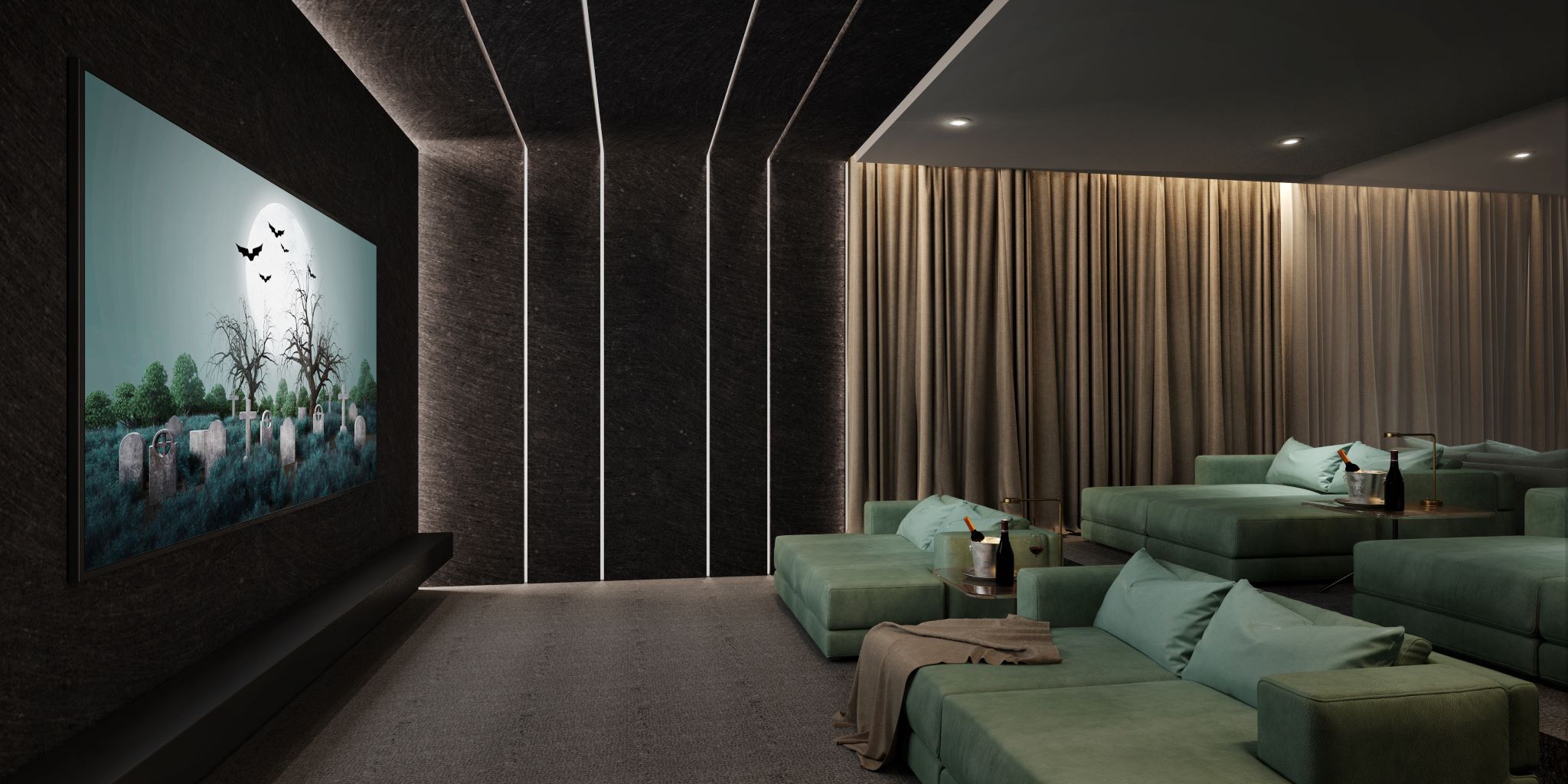
Ultimately, the choice between DIY and professional installation will depend on your budget, technical confidence, and the difficulty of the design you envision. If your goal is to build a truly immersive cinematic experience, seeking out professional assistance may be the way to go. However, for enthusiasts willing to learn and explore, a DIY approach can also yield fulfilling results, allowing for customized touches that reflect your individual taste and preferences.
Creation and Setup Considerations
When designing your home cinema, one of the most important factors to consider is the arrangement of the space. The optimal arrangement of seating, display, and audio elements can greatly influence the overall viewing experience. Ensure that the seating is set up in a way that all viewers have a clear line of sight to the screen, and think about the use of tiered seating if space allows. This arrangement not only enhances visibility but also boosts sound distribution throughout the room.
Lighting plays a critical role in establishing an immersive viewing experience. You should aim for a controllable lighting system that includes blackout curtains or shades to reduce external light interference. Dimmable lights can set the right ambiance during the show. Additionally, consider incorporating LED strips or wall sconces that enhance the room's design while providing adequate illumination when needed without detracting from the cinematic experience.
Lastly, sound quality cannot be overlooked in your home cinema design. The choice of materials, wall treatments, and flooring can all influence sound quality. Soft furnishings, such as carpets and drapes, can help dampen sound and prevent echo, creating a more enjoyable audio environment. You might also want to consider acoustic panels or bass traps to further enhance sound quality, ensuring that your home cinema provides an exceptional audio experience aligned with the sight spectacle.
Expenses and Trends in Home Cinema Installation
The costs associated with domestic cinema installation can vary widely based on several factors, including the scale of the space, the standard of gear chosen, and whether you choose self-installed or trained installation. On average, a fundamental setup can vary from a several thousand dollars to well over ten thousand for more complex systems. Essential components like projection devices, display screens, and sound setups heavily affect the overall expense. Additionally, Home Cinema Installation Stanstead Abbotts Hertfordshire challenges, including cabling and acoustic modifications, can add to the final cost.
Developments in domestic cinema installation continue to change, with smart home integration becoming progressively popular. Many property owners are now seeking systems that not only provide superior audio-visual experiences but as well effortlessly connect with their intelligent home appliances. Capabilities like voice commands, smart lighting, and mobile app integration are key benefits that enhance usability and practicality. Furthermore, as technology improves, the range of top-notch compact equipment has made it easier for house owners to create stunning setups even in limited spaces.
Another notable trend is the rise of immersive audio possibilities, which has led to a concentration on multi-directional sound options and acoustic enhancements tailored for optimal performance. Homeowners are becoming more aware of the significance of acoustic design in their cinema spaces, investing in products that improve audio performance. Additionally, as an increasing number of individuals embrace video gaming and streaming options, the need for adaptable setups that support multiple viewing experiences is propelling innovation in installation methods and equipment choices.