A Value of Watercraft Covers: Maintain, Shield, Operate


As for having a boat, shielding your asset is essential for maintaining its longevity and performance. One of the best ways to safeguard your vessel is by using a high-quality boat cover. Not only do boat covers protect your boat from extreme weather and environmental elements, but they also play a vital role in maintaining its appearance and functionality. Whether you're battling the scorching summer sun, pouring rain, or the frigid winter cold, the appropriate cover can make all the difference.
Choosing the ideal boat cover can be overwhelming with so many options to choose from in the market. From custom fits to standard fits, different materials, and characteristics, making an informed decision requires a deep knowledge of your personal requirements. In this comprehensive guide, we will cover everything you need to know about boat covers, ensuring that you have the knowledge to maintain, safeguard, and enjoy with your boating experience. Join us as we dive deep into the essential aspects of boat covers, from the advantages they offer to the frequent errors to avoid when purchasing one.
Selecting the Appropriate Boat Protection
Choosing the appropriate boat cover is crucial for preserving your vessel's longevity and efficiency. Elements such as the kind of boat, operating environment, and specific features of the cover play key roles in this selection process. Whether you're protecting a stylish speedboat or a large pontoon, understanding your boat's dimensions and intended purpose can guide you toward the perfect cover that satisfies your requirements.
When looking at a boat cover, it's important to choose between custom and universal options. Bespoke covers are designed specifically to your boat's size and form, providing a tight fit and optimal protection against factors like UV rays, rain, and debris. On the other hand, universal covers offer a more flexible and affordable solution but may not provide the same level of coverage or fit. Considering the pros and cons of each can help you make an wise choice that aligns protection and cost.
A further essential aspect to evaluate is the material of the cover. Various materials come with unique benefits, such as water resistance, ventilation, and UV resistance. A superior cover can protect your asset from mold, mildew, and harm caused by severe weather conditions. Knowing these materials and their characteristics will aid you in picking a cover that not only fits well but also improves the longevity and lifespan of your boat.
Vessel Cover Maintenance and Care
Correct maintenance and management of your boat canvas can significantly extend its lifespan and guarantee it continues to offer the protection your vessel needs. Begin by frequently checking your cover for any indications of damage and tear, such as frayed edges or small rips. Addressing these issues early can stop further damage and save you cash on substitution costs. It’s also essential to wash your cover periodically to eliminate dirt, salinity, and additional debris that can degrade the material over the years.
When washing your boat cover, use a gentle cleanser and gentle brush to avoid harming the material. Steer clear of strong chemicals or abrasive materials that can wear down the cover’s safeguarding features. Rinse well to ensure no soap residue remains, as this can attract dirt and build-up. After cleaning, let the cover to air-dry completely before storing it away. Keeping a damp canvas can result in mildew and fungus growth, which can compromise its quality.
Keeping is yet another critical factor of maintaining your vessel canvas. When not in use, store your cover in a temperature-controlled, arid place, ideally in a ventilated bag or box. Steer clear of crumpling it too much, which can create folds and pressure points that compromise the material. If your canvas has a waterproof finish, periodically renew a water-repellent treatment to maintain it stays effective. By adhering to these care suggestions, you can help protect your property and improve your sailing adventure.
Vessel Cover Types and Applications
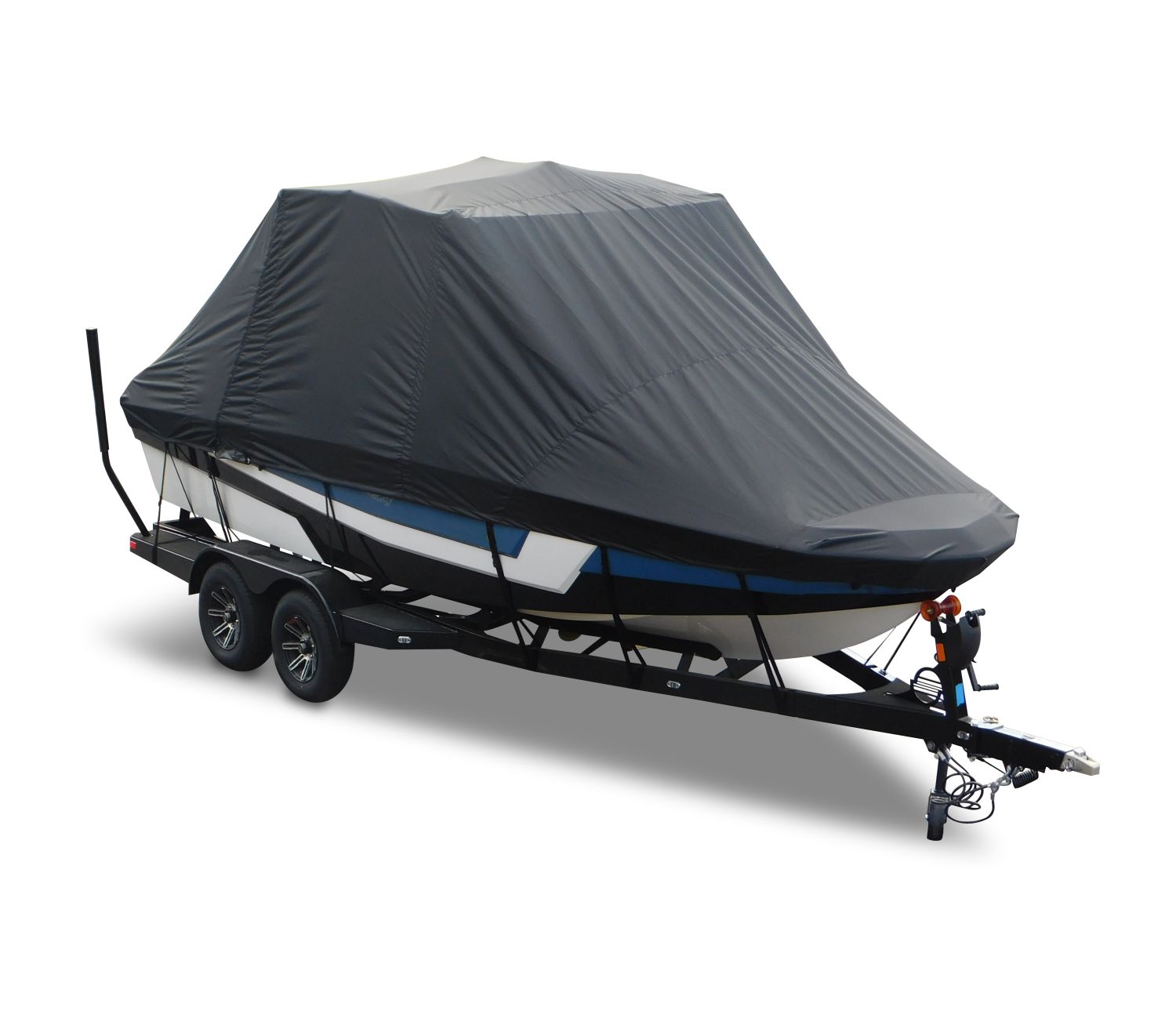
Vessel covers come in multiple types, every designed for specific applications and climatic conditions. The most popular types include tailored and universal covers. Custom tarps are crafted to the exact dimensions of your boat, offering a snug fit that helps protect against water, dirt, and UV damage. General covers are less specific in fit and can accommodate a variety of boat sizes and shapes, making them a versatile option but possibly less effective in severe climatic situations.
When selecting a vessel tarps, take into account the environment in which you typically store your vessel. For instance, if you frequently sail on saltwater, investing in covers made of materials resistant to rust is essential. In addition, ensure that the cover can protect against both UV rays and moisture, particularly if you intend to keep your boat outdoors. For cold season storage, specially designed heavy-duty tarps can withstand snowfall and ice accumulation, ensuring your boat remains in excellent condition.
Lastly, think about your boat type when selecting a tarps. For instance, party boats require specific covers that provide ample coverage for their distinct shape, while fishing boats may benefit from covers that allow for quick entry to equipment. Understanding Click for info of your boat not only enhances protection but also prolongs its lifespan, ensuring your investment remains protected for years to come.