Dental Implants 101: A Complete Introduction


Should you're thinking about a solution for missing teeth, tooth implants might be the remedy you are looking for. An cutting-edge dental procedure not only revives the aesthetic of your smile but also contributes to enhanced oral health and function. In the following comprehensive overview, we will explore all you need to know about implants and restoration, from the initial consultation to post-surgery care.
With the rise in interest of dental implants, it is important to understand their benefits, the procedures involved, and how to select the right treatment for your needs. Whether you are deliberating over dental implants and bridges, interested in immediate load implants for a same-day solution, or wondering about the costs and advancements in technology, this guide will provide essential information to support you in making an informed decision. Allow us to delve into the field of dental implants and discover how they can change your smile and increase your confidence.
Understanding Teeth Implants and Their Perks
Tooth implants are artificial tooth roots that offer a strong foundation for fixed or removable replacement teeth. They are typically made of this biocompatible metal, a biocompatible material that combines well with the mandible. This integration process, known as osseointegration, allows the implants to become a permanent solution for absent teeth, providing strength and reliability that classic options may not offer.
One of the main merits of dental implants is their capacity to restore both usefulness and appearance. Unlike removable appliances or bridges, these implants simulate the natural tooth structure and provide the same chewing efficiency as genuine teeth. This means that people can enjoy their preferred meals without anxiety about inconvenience or instability. Furthermore, these devices can significantly enhance one’s visual image, as they are designed to appear and impart like real teeth, helping to increase self-confidence and enhance the general quality of life.
Additionally, tooth implants positively impact to oral health. By stopping bone loss in the mandible, they sustain facial structure and help keep leftover teeth by offering stability. This makes them an perfect long-term solution for substituting missing teeth. Besides just the tangible gains, dental implants can also have mental advantages, helping individuals regain their confidence and become more relaxed in social situations.
The Oral Implant Procedure Unveiled
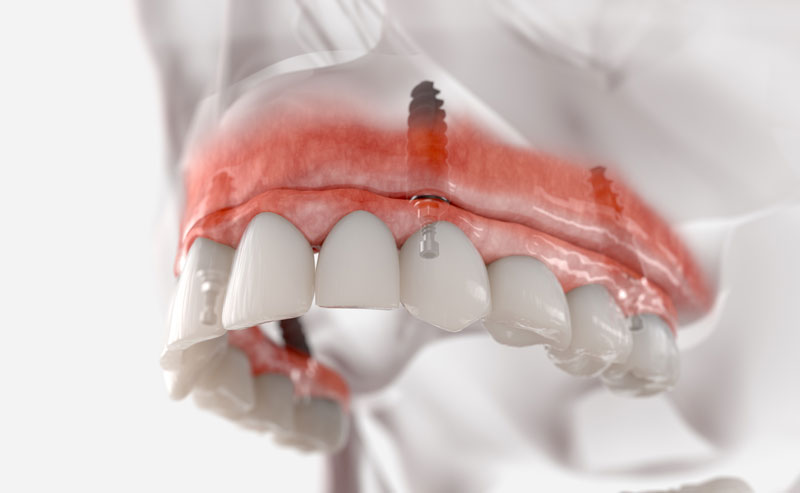
The dental implant procedure typically begins with a thorough consultation, where the dentist assesses your oral health and determines whether you are a good candidate for implants. This initial visit may feature X-rays and 3D imaging to assess bone density and structure. If needed, additional treatments like bone grafting may be discussed to make sure there is enough bone to support the implant.
Once you are cleared for the procedure, the first stage involves the surgical-related placement of the implant into the jawbone. This is usually performed under local anesthesia or sedation to provide comfort. The implant, which serves as a replacement root, is placed directly into the bone, and small cuts may be made in the gum tissue. After insertion, a healing period is required during which the implant fuses with the bone through a process called osseointegration, which can take several months.
After a successful healing period, the following step is the attachment of the abutment, a small connector that holds the crown in place. An impression is taken to create a custom-made crown, which will be fitted over the abutment. Once the crown is ready, the final step is to attach it onto the abutment, restoring both function and aesthetics to your smile. Patients are typically amazed at how realistic their dental implant appears and seems, significantly enhancing their confidence.
Post-Procedure Treatment and Considerations
After your dental implant surgery, proper care is critical for optimal healing and long-term success. It is important to adhere to your dentist's aftercare instructions, which may consist of taking prescribed medications to control pain and prevent infection. You should also start with a soft food diet and slowly reintroduce harder foods as you become ready. Maintaining careful oral hygiene is important; however, avoid the implant site for the first few days to promote healing.
Keeping track of your recovery is crucial to identifying any possible complications early. dental implant options and services on the watch for unusual symptoms such as prolonged swelling, bleeding, or discomfort that does not get better with medication. If you see any of these signs, get in touch with your dentist immediately to ensure that your recovery is on track. Regular follow-up visits will also help maintain your healing process under control and allow your dentist to assess the integration of the implant.
As you progress through the recovery stage, it is essential to establish a routine for taking care of your implants. Daily brushing and flossing should be complemented with specific cleaning tools if suggested by your dentist. Additionally, planning regular cleanings and check-ups will assist with maintaining both the function and look of your dental implants. This commitment to oral hygiene not only enhances the longevity of your implants but also is beneficial for your overall oral health.