Discovering the Mystery of Clogged Pipes: What You Need to Know


Clogged drains can be a homeowner's worst nightmare, frequently leading to frustrating and costly plumbing issues. Whether it's the kitchen sink clogged with greasy residue, a bathroom drain blocked with hair, or a toilet that just won’t flush, understanding the common causes and effective solutions is crucial for keeping a smoothly operating plumbing system. In this article, we will dive into the secrets of clogged drains and provide you with the information you require to keep your pipes unblocked.
From recognizing the top indicators your drain may be heading toward a clog to investigating the differences between DIY approaches and professional help, we will cover a wide range of topics. You will discover how to safely unclog a kitchen sink, the best natural remedies for clearing blocked drains, and the importance of regular drain maintenance. By knowing how grease builds up, how to prevent hair clogs, and when to call a plumber, you will be prepared to handle any drain-related issues that arise. Join us as we unlock the mystery behind clogged drains and equip yourself with the knowledge to avoid them.
Typical Causes and Ways to Prevent of Obstructed Drainage
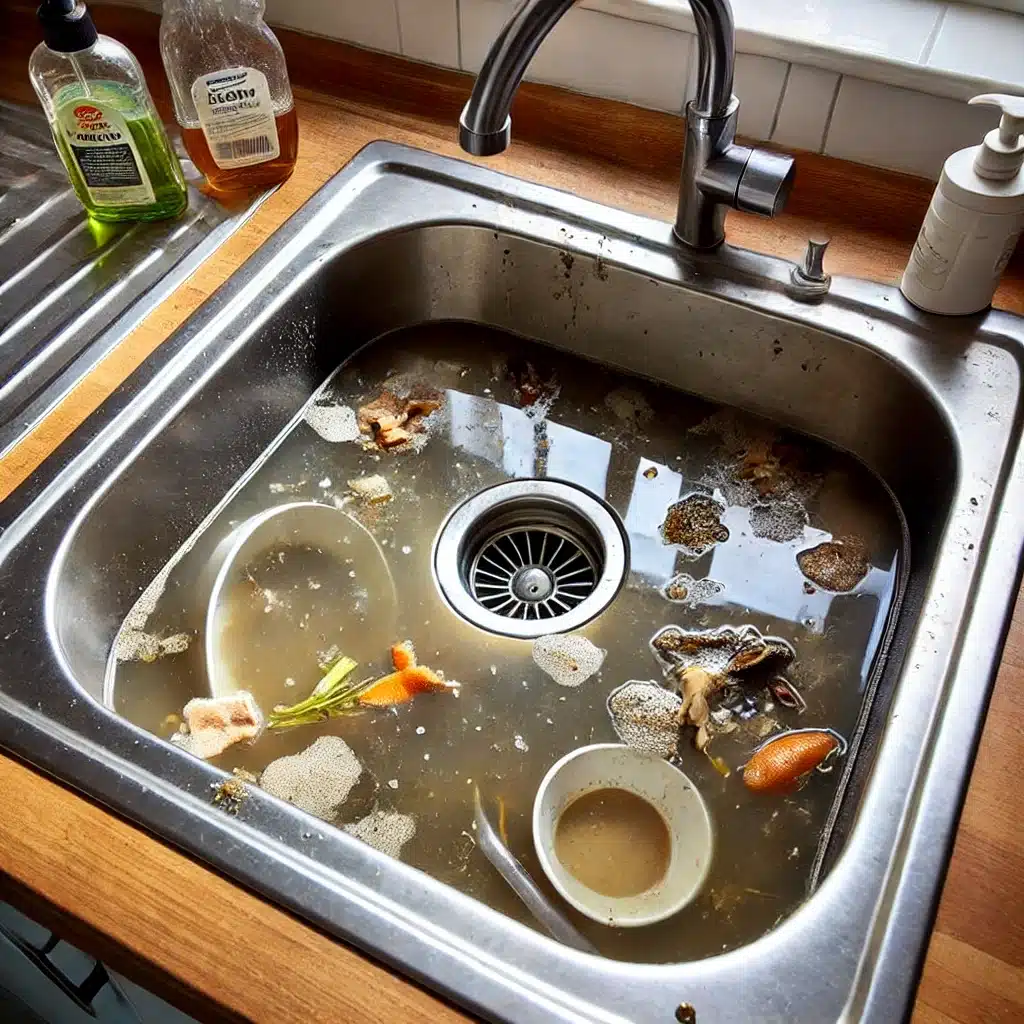
Clogged drains are a common domestic concern that can interfere with everyday activities. One of the main causes of drain blockages is the buildup of fat and food scraps especially in kitchen sinks. Over the years, grease builds accumulates and mixes with food remnants, creating a dense sludge that can impede the passage of liquid. To avoid this, it's essential to clean plates before cleaning and regularly clean the drain by pouring hot liquid combined with vinegar or sodium bicarbonate to dissolve grease.
In toilets, strands of hair is famous for creating clogs, often gathering around the drain and mixing with soap residue to cause a clog. To prevent hair clogs, adding a hair catcher can catch hair before it enters the pipes. Frequently removing the hair from the drain cover and from time to time using a combination of baking soda and acetic acid to clean the pipes can ensure your toilet drains operating smoothly.
Roots from trees can also be a serious problem for exterior drains and sewage systems. As they seek moisture, roots can infiltrate pipes, leading to major blockages. To avoid this, routine inspection of your garden and keeping the distance between large plants and your plumbing lines is suggested. Implementing https://mailfat14.werite.net/discovering-the-mystery-of-obstructed-sewers-key-insights and oversight can help identify potential issues before they lead to significant drain problems.
DIY and Professional Solutions for Unclogging
When faced with a clogged drain, many homeowners first consider do-it-yourself solutions. Simple techniques such as using a plunger, vinegar and baking soda, or a plumbing snake can often clear minor blockages. These methods are cost-effective and can be accomplished with minimal tools. However, while DIY methods can be effective, they require a certain level of caution. Not all blockages respond to these approaches, and incorrect use of tools can potentially harm your plumbing.
In situations where DIY fixes fail or the clog is more severe, calling a professional plumber may be the best option. Experts have access to specialized equipment like high-pressure water jetting and drain cameras, allowing them to identify and solve the problem effectively. They can tackle stubborn blockages caused by roots or extensive build-up that typical home remedies might not fix. Additionally, hiring a professional can prevent the risk of damaging your pipes, ultimately saving you time and money in the long run.
Choosing between DIY and professional assistance depends largely on the type of the blockage and your comfort level with plumbing tasks. For small issues, a do-it-yourself method can be satisfying and informative. However, for ongoing or complicated clogs, seeking professional help ensures the job is done correctly. Combining both strategies can empower homeowners to manage their plumbing while knowing when to reach out to the professionals. ### Maintenance Tips for Long-Term Drain Health
To maintain the health of your drains, consistent cleaning is crucial. Get into the practice to run hot water through your drains with hot water weekly to break down grease and avoid clogs. Applying a mixture of baking soda and vinegar monthly can assist in breaking down any lingering debris. This eco-friendly remedy not only keeps your drains clear but helps avoid the negative impacts of chemical cleaners.
In addition to regular cleaning, putting in drain screens can keep hair and other debris from entering your pipes. These inexpensive tools can drastically limit the amount of debris that accumulates in your drains, especially in bathrooms and kitchens. Remember to clean these screens regularly to boost their effectiveness.
Finally, being aware of what goes down your drains is vital. Refrain from pouring grease, food scraps, and uncompostable items into your sinks and toilets. Rather, dispose of these materials in a proper manner. Informing your family about drain safety and fostering proper disposal habits will significantly aid in stopping future clogs and ensuring the durable health of your plumbing system.