Drones in the Field: Transforming Mapping Practices


Lately, surveying practices has seen a significant change, primarily driven by the introduction of unmanned aerial vehicles. These drones, commonly referred to as UAVs, have become as effective tools in the area of surveying, offering unprecedented precision, safety, and efficiency. With features that span a variety of industries, such as construction, agriculture, mining, and environmental tracking, surveys using drones are gaining popularity among professionals who are looking to enhance their workflows.
The advantages of employing drones for surveying projects are many and may often outweigh traditional techniques. By utilizing the capabilities of drone imagery and data collection, drone-based surveys can offer detailed analyses and high-quality mapping capabilities in a significantly reduced timeframe it would take using standard techniques. As we explore the justifications to adopt drone surveys into your upcoming project, we will review their impact on various sectors, their accuracy and regulatory considerations, and how they measure against traditional surveying methods. Join us as we discover how the use of drones in surveying are transforming the way we approach surveying and data collection in today's dynamic landscape.
Benefits of Aerial Surveys
Drone surveys offer a multitude of benefits that boost efficiency and accuracy in different industries. One of the most significant benefits is the potential to swiftly cover extensive regions, minimizing the time required for data collection compared to conventional techniques. This quick data acquisition not only accelerates project timelines but also enables professionals to make timely decisions more promptly, thereby enhancing overall project management.
Another important benefit of aerial surveys is the precision of data collected. Modern drones are fitted with advanced technology and cameras that capture high-resolution images and specific measurements. This level of accuracy is essential for applications such as terrain mapping, structural evaluations, and farm management. The data collected can be analyzed to create 3D models and comprehensive charts, which are critical for planning and analysis.
In addition to effectiveness and accuracy, drone surveys enhance safety by reducing the need for personnel to access dangerous or hard-to-reach areas. For example, in roof evaluations or environmental monitoring projects, drones can gather data without putting workers at danger. This safety advantage is especially important in industries like construction and public services, where safety regulations are critical. By leveraging drone technology, companies can enhance safety standards while still obtaining the essential information they need for effective project completion.
Comparing Drone and Conventional Surveys
Conventional survey techniques often utilize ground-based techniques, that can be laborious and labor-intensive. Surveyors generally employ tools like theodolites, Global Positioning System, and level instruments to gather information, often requiring numerous site visits to acquire detailed information. This process might result in delays and increased labor costs, particularly in larger or more complex projects in which access may be restricted.
Conversely, drone-based surveys can surveying large areas in a small portion of the time. Fitted with advanced cameras and sensors, drones can capture detailed imagery and data from the air, providing a comprehensive perspective without the need to traverse challenging landscapes. This capability allows for quicker information gathering, reducing the overall duration needed for surveying and enabling quicker completion times.
Furthermore, the precision of UAV surveying has improved considerably with developments in technology. Current drones make use of Global Positioning System and image mapping to ensure exact measurements, often matching or exceeding the accuracy of traditional methods. This level of accuracy, along with the speed and effectiveness of drone surveys, makes them an appealing option for many fields, shifting the preference from conventional approaches to the modern method offered by drone technology.
Future of UAV Survey Technology
The future of drone survey tech is set to be characterized by quick advancements in hardware and software capabilities. As UAVs become more sophisticated, we can expect improved sensor capabilities, such as Light Detection and Ranging and multispectral imageries, which will improve data gathering accuracy and the types of analysis that can be performed. These developments will enable challenging projects like 3D map creation and environmental monitoring, allowing surveyors to gather more comprehensive and valuable data in less time.
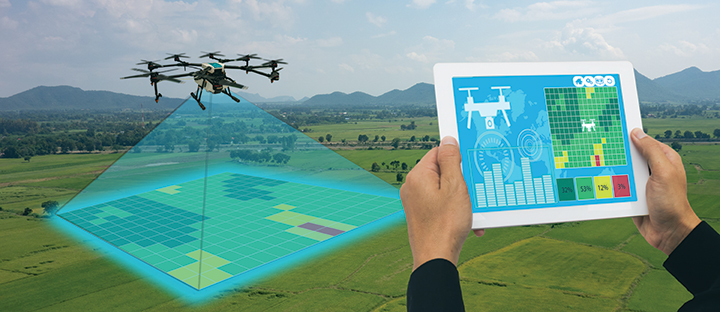
Artificial intelligence and ML are also poised to transform drone surveys. By integrating artificial intelligence algorithms, UAVs can independently analyze data in real time, identifying patterns and producing insights that were previously labour-intensive or difficult for manually operated operators. This will not only simplify reporting processes but will also facilitate forecasting in applications like agricultural planning and infrastructure inspections, changing how industries approach project management and upkeep.
Additionally, as legislative frameworks continue to develop, we will see broader adoption of drones for business surveying. Increased collaboration between governments and business partners will pave the way for better legal guidelines that improve safety and operational effectiveness. With Measured building surveys in connectivity and automation, the incorporation of drone surveying tools into everyday practices will become smooth, making it a fundamental tool in multiple sectors, from construction to eco-preservation.