Establishing Reliability: Optimizing the Most of Guided Meetings


Supervised contact can be a challenging yet necessary process for households navigating custody issues. When caretakers are unable to properly ensure the well-being and well-being of their children during visits, the courts often intervene, requiring supervised visitation as a way to safeguard child interests while still allowing a connection with their parents. This organized environment not only addresses safety concerns but also encourages the possibility of rebuilding trust and enhancing the familial bond.
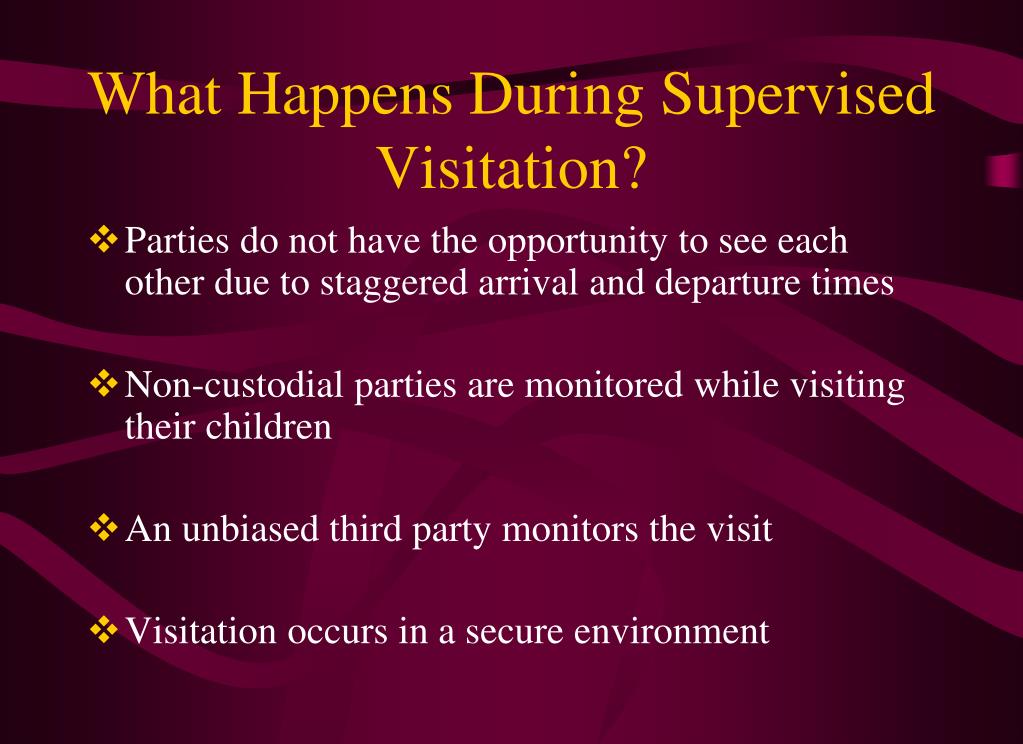
Understanding how supervised visitation works and its significance in safeguarding children is crucial for caretakers facing this situation. From getting ready for a session to knowing what to expect during visits, being informed can help minimize anxiety and create a more favorable experience for both parents and children. In this article, we will explore various aspects of supervised visitation, including its role in family reunification, the necessary rules, and advice for making the most out of these visits. We aim to provide clarity and support for families during this difficult time, ultimately promoting a healthier dynamic for the future.
Understanding Guided Visitation
Monitored access is a organized framework that enables a youngster to spend time with a non-residential parent under the supervision of a neutral individual. This arrangement is typically mandated by the judicial system when there are concerns regarding the child's well-being or the parent's ability to care for the child independently. The main objective of monitored access is to guarantee that the meetings between the minor and the caregiver are protected and constructive, while tackling any challenges that may have developed during the custody dispute.
The value of monitored access reaches beyond mere oversight; it plays a vital role in maintaining and nurturing the guardian-youngster connection during challenging periods. It provides a encouraging space where the caregiver can connect with their youngster in a supervised environment, creating possibilities for relationship-building and restoring trust. This is especially important in situations where allegations of mistreatment, neglecting, or alcohol abuse have been stated, as it allows both the minor and the parent to handle their connection in a protected and organized manner.
Additionally, guided visitation often serves as a route for households to strive for reuniting. As parents demonstrate their capability to engage constructively with their children in a monitored setting, the judicial system may gradually extend visitation access or transition to unsupervised interactions. This journey not only encourages healing within families but also supports caregivers in gaining the competencies necessary to offer a secure and caring environment for their youngsters going ahead.
Getting Ready for Guided Visitations
Getting ready is crucial for a fruitful supervised visit experience. Parents should think carefully about what to pack to the meeting, making sure that items are appropriate for the kid's age and interests. This might entail literature, toys, or activities that can help facilitate interaction and make the environment enjoyable. Additionally, discussing the plan for the meeting with the child can help set anticipations and ease any anxiety they may have.
Mental readiness is just as important. Both the guardians and children may go through a variety of emotions as they get ready for guided visit. Parents should consider their emotions and establish a mental state centered around positive interaction. Using soothing techniques and remaining patient will provide a more conducive environment for the child. Committing to approach each meeting with excitement and receptiveness can greatly impact how the child perceives the visit process.
One more crucial element of getting ready is understanding the role of the supervised visitation supervisor. Familiarizing yourself with what to anticipate during the meeting can reduce uncertainties. Parents should understand that the monitor will be watching interactions to ensure safety and compliance with any court orders. Interacting respectfully and mindfully during visits not only provides a better time for the kid but also fosters a sense of trust that is essential for rebuilding the family relationship.
The Role of Supervised Visitation in Family Reunification
Supervised visits plays a critical role in the process of family reunification by providing a safe and structured environment for caregivers and kids to engage in productive interactions. When households face disruptions due to various situations, supervised visitation becomes a bridge to restoring relationships. By allowing https://eggkey91.bravejournal.net/monitored-visitation-finding-a-balance-between-safety-and-family-time to spend time with their parents under the observation of a experienced monitor, it ensures that their well-being and emotional well-being are prioritized, setting the stage for future unsupervised visits when appropriate.
Furthermore, supervised visitation serves as an opportunity for parents to demonstrate their commitment to rebuilding their relationship with their children. During these visits, parents are able to exhibit positive parenting practices and address any previous issues that led to the need for supervision. This structured environment encourages constructive interactions, helping to strengthen bonds and build trust, which are essential components for successful reunification. As parents engage constructively, they may also receive feedback and support from supervisors, further enhancing their parenting skills.
In addition, the process of supervised visitation can help families navigate the psychological complexities associated with separation or custody disputes. By providing a safe setting where children can feel safe while interacting with their parents, these visits can alleviate some of the anxiety and uncertainty that often accompany reunification efforts. This emotional support is vital, as it cultivates resilience in children and fosters a sense of stability within the family dynamic, ultimately contributing to a more positive path towards reconciliation and long-term stability for both parents and children.