Excavation Insights: Merits of Vacuum-Based Digging


In the fast-paced environment of contemporary construction, methods that improve security, effectiveness, and sustainability are gaining prominence. A particularly game-changing method is vacuum excavation, a advanced process that not just streamlines excavation tasks but also confronts many of the obstacles historically faced by builders. This cutting-edge method uses powerful suction to securely remove soil or debris, allowing for accurate excavation without the risk of damaging essential underground infrastructure.
This technique has become increasingly important across multiple sectors, from telecom to city services, due to its many benefits. In this article, we will discuss the many reasons why this method is changing the construction sector, contrasting it with conventional excavation techniques, and highlighting its benefits for safety. We will also dive into its purposes, the techniques involved, and the economic and ecological advantages that make it the ideal choice for city developments and service setups. Whether you are a builder, a manager, or simply curious about evolving construction practices, comprehending vacuum excavation can provide key insights into more secure and greater efficiency building methods.
Understanding Suction Excavation
Vacuum excavation is a modern digging method that makes use of a blend of vacuum and high-pressure water to extract soil and debris from a designated area. This gentle approach allows for the risk-free and effective excavation of materials without causing destruction to nearby structures or underground utilities. The process begins with the deployment of intense water to break up the soil, followed by intense vacuum suction that gathers the dislodged material into a debris tank, making it an optimal choice for a variety of construction projects.
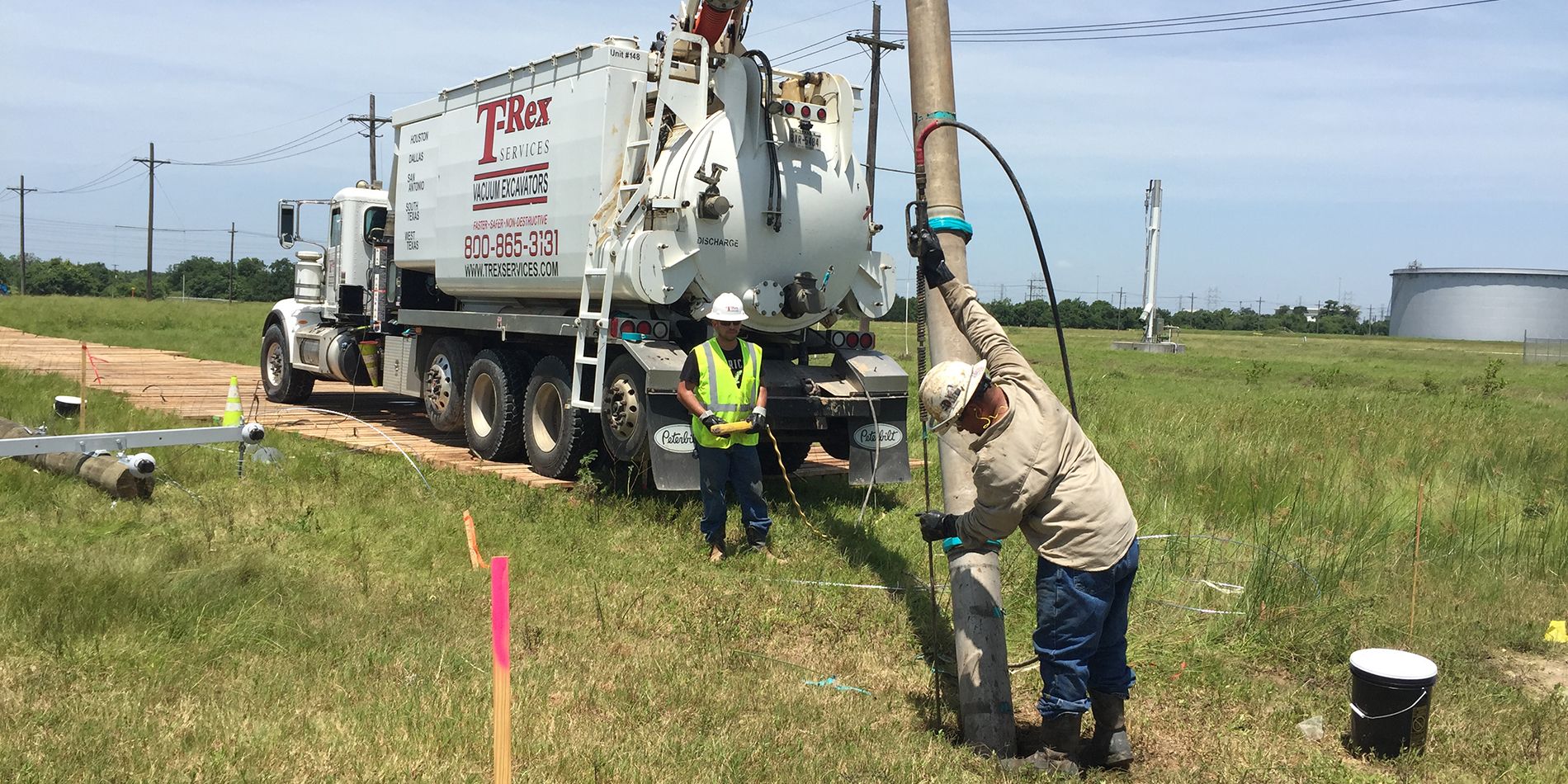
One of the primary benefits of vacuum excavation is its exactness. This technique is especially beneficial when working in urban environments where space is tight and the chance of damaging existing utilities is significant. The managed nature of the excavation lessens disturbances to the nearby area, ensuring that vital infrastructure remains intact. This precision also pertains to tasks such as excavating for utility access and utility location, where precision is vital to avoid costly mistakes.
With the growing emphasis on safety and efficiency in the construction industry, vacuum excavation has become increasingly popular. Visit this page of accidents related to conventional digging, but it also greatly minimizes project downtime by enabling quicker and cleaner excavations. As urban development continues to expand, vacuum excavation offers a practical solution to satisfy the needs of modern construction while prioritizing safety and green considerations.
Benefits of Vacuum Excavation
Suction digging offers countless pros that are transforming our construction field. An key benefits lies in its non-destructive aspect, enabling precise digging without harm underground infrastructure. Old-fashioned digging methods often pose a major risk of hitting pipes or wires, leading to costly fixes and project setbacks. By utilizing vacuum excavation, operators can safely expose utilities, minimizing the likelihood of unintentional damage and facilitating a less interrupted operation.
A further key advantage lies in the improved safety provided by vacuum excavation. Using high-powered suction to vacuum soil, the technique provides a more secure environment for workers on construction sites. This approach reduces the risk of collapses or accidents related to traditional digging methods. Moreover, the equipment used in vacuum excavation is typically built to operate from a remote location, enabling operators to keep a protected distance from potential hazards as they performing their duties effectively.
Vacuum excavation also contributes to ecological sustainability. The approach creates less waste when contrasted with standard techniques, since it removes only the necessary material while protecting surrounding soil and vegetation. Additionally, vacuum excavation can speed up projects, resulting in reduced fuel emissions and lessened noise pollution, which makes it an ideal choice for urban areas where reducing disruption is crucial. These advantages collectively show how vacuum excavation is revolutionizing modern building practices.
Applications and Future of Vacuum Excavation
Vacuum excavation is gaining traction within different fields because of its numerous applications and advantages. An important application involves utility installation and maintenance, where this method enables accurate digging in proximity to already buried utilities without causing damage. This method is highly beneficial when used for gas pipeline and telecommunications work, in contexts where exactness is essential. Furthermore, vacuum excavation offers significant advantages in urban areas, permitting contractors to move through densely packed work environments while reducing disturbance to nearby areas.
As we look ahead, the vacuum excavation technology is projected to improve, integrating innovations such as machine learning systems and improved suction technologies. These developments are set to improve efficiency and safety on jobsites, leading to faster completion and lower expenses. Moreover, as Vacuum Excavation Cork Ireland grow more populated, the necessity for non-destructive digging techniques is set to grow, ensuring that vacuum excavation remains a vital method for urban development and construction.
Environmental advantages of vacuum excavation will also play a key role in its future. With a growing emphasis on sustainability in construction, this method provides a greener approach to traditional methods, preventing soil disruption and reducing waste. By becoming an integral part of green construction methods, this method will make various projects easier but also contribute to a healthier planet in the long run.