Forming Memorable Goodbyes: Advice for Organizing a Memorable Ceremony


Planning a memorial service can be a highly challenging experience a family may face when coping with the passing of a dear one. The process often feels daunting, filled with emotional decisions and logistical considerations. However, it is also an occasion to design a meaningful farewell that honors the life of the person who has departed. With the right guidance and a thoughtful approach, families can manage this challenging time with dignity and intention.
In this article, we will explore key tips for arranging a memorable funeral that reflects the unique personality and wishes of your loved one. Whether you are seeking to understand the different funeral choices available, seeking to personalize a service, or thinking about advanced planning to reduce the burden on your family, we will provide a comprehensive guide to help you along the journey. From Click here! and cultural influences to understanding what documents are needed, our comprehensive advice will equip you to make wise choices during this sensitive time.
Understanding Memorial Preparation Fundamentals
Memorial planning is an important task that allows families to make considerate choices throughout a trying time. It includes various elements, such as choosing among burial and cremation, selecting a memorial home, and determining the type of service that best honors the deceased. Comprehending these fundamentals can greatly ease the burden on families who are dealing with their options while grappling with loss.
One of the initial steps in memorial preparation is to gather necessary data and documents. funeral services entails finding any pre-existing arrangements, insurance policies, and legal documents that may impact the planning procedure. Establishing a clear awareness of these factors helps make sure that all decisions are consistent with the preferences of the deceased and the requirements of the family.
Additionally, discussing memorial planning with family members and loved ones encourages open dialogue and minimizes potential conflicts. It is important to consider the deceased's cultural, religious, and personal wishes, as these can impact the types of ceremonies and rituals conducted. By addressing these factors early on, families can develop a significant and personalized tribute that reflects the unique life of their loved one.
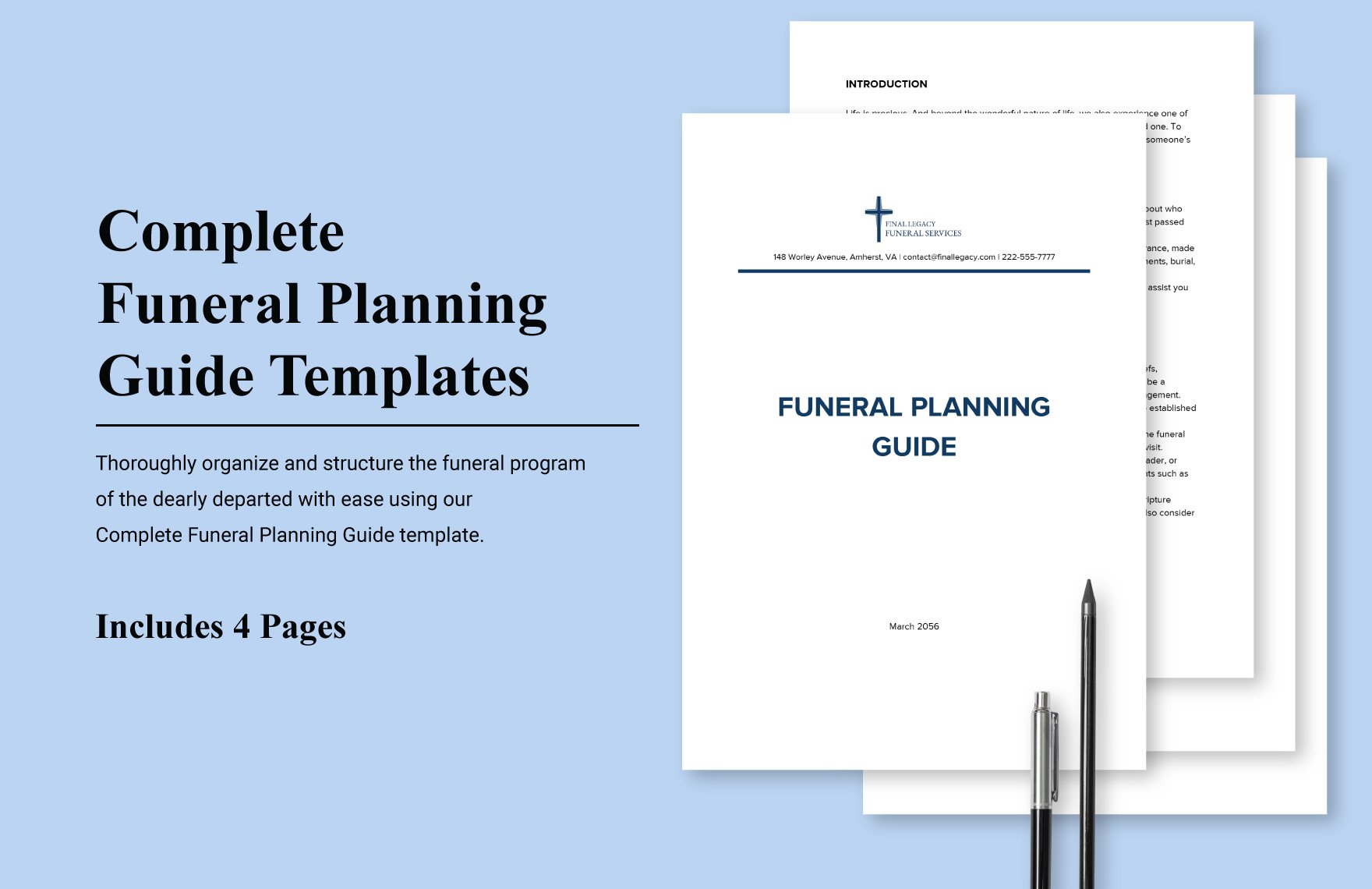
Budgeting and Cost Factors
When planning a memorial service, understanding the costs involved is essential. Memorial services can vary significantly in cost, influenced by factors such as venue, services chosen, and whether you choose interment or cremation. It's important to have an open conversation with your family about budgetary constraints and anticipations to ensure that the funeral reflects your loved one's wishes while avoiding imposing an undue economic strain on anyone.
One effective method is to create a comprehensive memorial planning checklist that includes all potential costs. This checklist should cover everything from fees for services and coffin costs to facility rental and obituary expenses. By having a clear overview of what you need to account for, you can more effectively prioritize spending, ensuring that funds are allocated to aspects that truly matter, such as personalization or unique tributes.
Additionally, consider exploring different payment methods and resources for financial help available to families. Many mortuaries offer plans that can help streamline costs, while insurance plans or pre-planning arrangements can lessen the economic burden. Taking the time to inform yourself about your choices will not only help you make informed decisions but also allow you to create a meaningful farewell that celebrates your loved one, regardless of your budget.
Tailoring the Service Experience
Customizing a funeral experience can transform a serious occasion into a celebratory tribute of life. Integrating special elements that reflect the personality and interests of the departed makes the ceremony more impactful for guests. This can include displaying photographs, favorite music, or even memorabilia that highlights important events and passions. By sharing personal stories during tributes or inviting guests to offer their memories, families can create a warm setting that honors the individual's journey.
Another impactful way to tailor the event is by integrating customs or tradition-based traditions that hold significance for the kin. Whether it's specific faith-based practices, cultural symbols, or including tailored readings, these elements add richness and resonate with those in presence. This approach not only respects the person's heritage but also enhances the bond among relatives as they deal with their loss together.
Lastly, think about the location and arrangement of the funeral. Selecting a place that holds meaningful meaning—from a favorite place or a significant setting in the person's life—can make the experience even more unforgettable. Customizing elements such as floral arrangements, seating arrangements, and also catering options to reflect the deceased's likes can create a sense of warmth for those grieving. By focusing on personalization, families can ensure that the goodbye truly reflects the spirit of their loved one.