Grin Redefined: The Art and Science of Teeth Implant Reconstruction


In today's world, a confident smile is often seen as a crucial to private and career success. However, absent teeth can profoundly impact one's self-worth and overall standard of life. Fortunately, dental implants have emerged as a groundbreaking solution for restoring not just smiles but also the self-assurance that comes with them. This modern approach to dental restoration merges sophisticated technology and skilled craftsmanship to provide a realistic and functional replacement for missing teeth.
Grasping the ins and outs of dental implant procedures can be daunting, but it is necessary for anyone contemplating this transformative treatment. This article will function as your comprehensive guide to dental implant and restoration procedures, covering everything from the benefits of dental implants to the detailed process involved. Whether you are weighing your options between dental implants and bridges or seeking insights into the newest technology used in implant surgery, we will cover common questions and concerns. Accompany us as we delve into the art and science of dental implant restoration, ensuring you have the insight needed to make an wise decision about your smile.
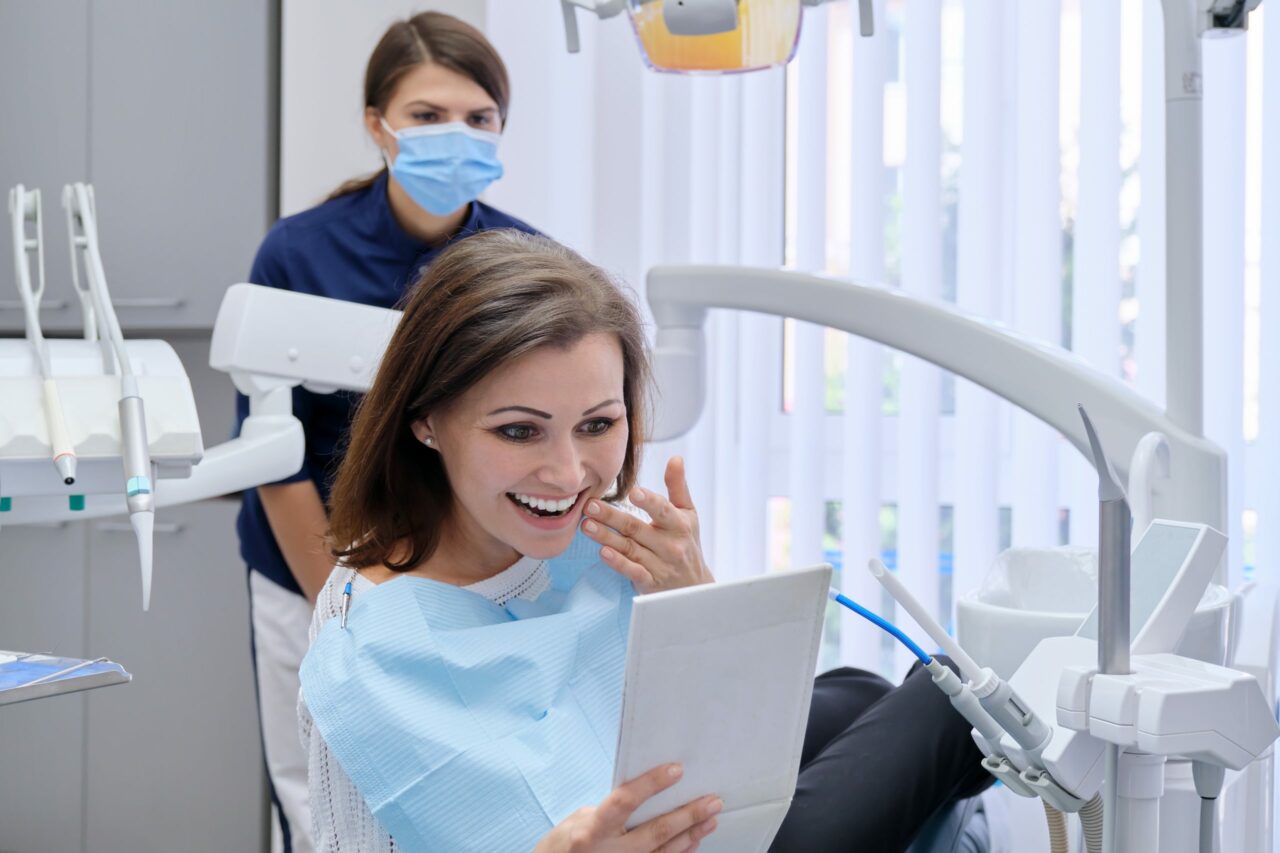
Grasping Dental Implants and Replacements
Dental implants are a groundbreaking remedy for individuals who have lost one or more tooth. Fixed Dental reviews and recommendations consist of titanium rods that are surgically inserted into the jawbone, functioning as artificial tooth anchors. This process mimics the role of genuine tooth roots, providing a solid base for artificial teeth. The restoration phase includes attaching tailored caps, bridges, or false teeth to these implants, resulting in a natural-looking plus usable smile that can significantly influence a patient's standard of living.
The process of oral implant restoration is thoroughly planned and carried out to ensure both aesthetics and functionality. Dental professionals employ sophisticated imaging techniques, such as three-dimensional imaging, to assess the bone structure and find out the most effective placement for the implants. This accuracy enhances the success rate of the operation. Depending on personal requirements, clients may opt for single dental implants or more comprehensive solutions, such as full arch rehabilitations with implant-supported span structures. Each choice is customized to restore not just the look of teeth, but also the confidence that comes with a full smile.
Choosing oral implants over traditional options, such as spans or dentures, offers multiple benefits. Implants help maintain bone structure health, preventing bone loss that often occurs when dental structures are missing. They also provide superior stability and comfort compared to detachable false teeth. Furthermore, by rehabilitating dentition, patients often experience psychological advantages, including increased self-esteem and improved dental health. Understanding these aspects of dental implants plus rehabilitations is crucial for those thinking about this transformative oral procedure.
The Oral Implantation Process: What You Can Anticipate
The dental implant process typically starts with a comprehensive consultation and assessment. During this visit, your oral surgeon will collect medical history, perform a oral examination, and may utilize imaging technology like X-rays or three-dimensional imaging to assess the condition of your jaw and surrounding structures. This phase is essential in assessing your candidacy for dental implants and in creating a customized care plan that meets your individual needs.
Once the planning stage is finished, the surgical installation of the oral implantation is conducted. This usually involves local numbing to ensure your comfort. The dentist will create a small cut in the gums and insert the metal fixture into the bone. Following Fixed Dental , the gum tissue is sutured, and you will be given detailed post-operative care to promote recovery. This operative stage is crucial, as it establishes the foundation for the implant, allowing it to bond with the jaw over the upcoming weeks.
Healing after dental implant surgery varies from individual to individual. While some discomfort is expected, it is usually controllable with doctor-recommended pain relief and OTC options. During this healing period, which can last several weeks, you will have subsequent appointments to track your healing and ensure that the device is fusing properly. Once recovery is finished, an connector will be affixed to the implant, which will then act as the connection point for your final restoration, be it a cap or bridge. This ensures that your new teeth will function and look realistic, bringing back both your grin and self-assurance.
Advantages and Factors of Implant Dentistry
Implants offer a variety of advantages that make them a popular choice for numerous individuals seeking to replace missing teeth. One of the primary advantages is their ability to provide a secure base for prosthetic teeth. Unlike traditional dentures, which can shift and cause unease, implants integrate with the jawbone, ensuring a natural feel and appearance. This stability not only boosts chewing efficiency but also contributes to overall oral health by sustaining the integrity of the jawbone and preventing bone loss.
Another significant advantage of dental implants is their lifespan. With appropriate care and maintenance, implants can endure a lifetime, making them a significant investment for many patients. Unlike bridges or dentures, which may need to be replaced or fixed over time, dental implants require few interventions once properly placed. This lasting durability can lead to enhanced confidence as patients no longer need to worry about their teeth shifting or being uncomfortable when talking or eating.
However, several considerations must be evaluated when selecting dental implants. The process involves a operative procedure, which may pose risks and complications for specific candidates. Factors such as bone quality, overall health, and personal habits like smoking can influence the success of the implant. Additionally, the upfront cost of placement may be more expensive than traditional options. Prospective patients should have comprehensive discussions with their dental professionals to ensure they fully understand the process, benefits, and potential challenges before making a decision.