Minimizing Risk: The Key Security Gains of Vacuum Excavation Methods


In the rapidly evolving world of contemporary construction, maintaining safety on job sites is more critical than at any time. As become more and more complicated, classic digging methods often expose workers to a variety of hazards, like unexpected utility strikes and soil collapse. This is where vacuum excavation techniques come to the forefront, offering a innovative approach that lessens risk and enhances safety across the board.
Vacuum excavation, also known as non-destructive digging, employs powerful suction and high-pressure water or air to safely remove soil without disturbing adjacent utilities or structures. This method is changing how construction projects are carried out, especially in city environments where below-ground infrastructure is dense. By understanding the numerous benefits of vacuum excavation, construction professionals can enhance job site safety, reduce downtime, and ultimately deliver results that are both efficient and secure.
Grasping Vacuum Digging
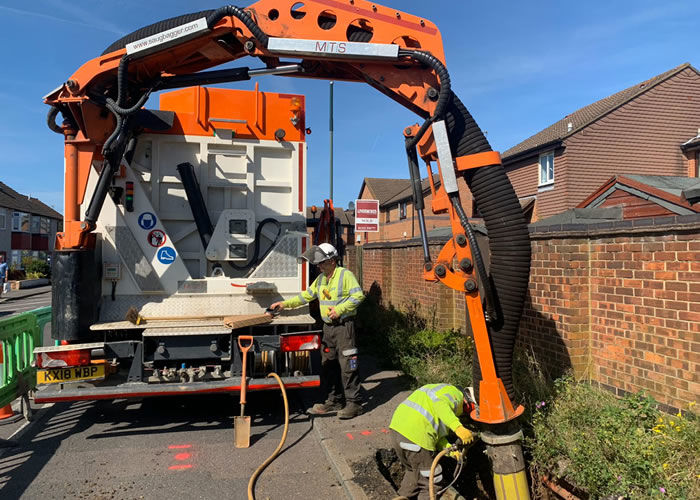
Vacuum excavation is a contemporary digging technique used in construction and utility work that lowers risks linked with conventional methods. It merges high-pressure liquid or air with a powerful suction system to effectively remove earth without the danger of damaging underground utilities. This non-invasive approach is especially valuable in heavily populated metropolitan environments where existing infrastructure is widespread and usually buried just under the ground.
The procedure begins with either hydro excavation, which employs high-pressure water to soften the earth, or air excavation, which makes use of compressed air to break apart the ground. Once the soil is properly loosened, the suction system efficiently collects the material into a storage tank, enabling precise digging and minimal interference to the adjacent area. Discover more enhances safety by reducing the chance of accidents but also streamlines the excavation procedure for various applications including utility locates and trenchless technology.
Suction digging is revolutionizing contemporary construction by offering a less hazardous choice to traditional digging methods. With growing awareness of the dangers involved in utility strikes and the significance of maintaining existing facilities, many construction professionals are now embracing vacuum excavation techniques. This shift reflects a wider industry trend towards more secure and optimized construction practices that coincide with eco-friendly goals and environmental considerations.
Safety Benefits of Vacuum Excavation
Vacuum excavation significantly boosts protection on construction sites by reducing the risk of accidents and injuries. Unlike traditional digging methods, which often involve heavy machinery and manual labor, suction excavation utilizes a non-destructive approach that curtails the potential for hazardous conditions. The process uses powerful suction to remove soil and debris, which reduces the chances of cave-ins and ground disturbances that can pose threats to workers and bystanders.
One of the most essential safety benefits of suction excavation is its feature to protect underground utilities. By using advanced techniques such as potholing, operators can accurately locate and expose utility lines without the threat of damaging them. This not only prevents costly repairs and service interruptions but also protects workers from electrical hazards and potential explosions associated with unintentionally striking gas or electric lines. Such protective measures are essential in maintaining a secure working environment.
Furthermore, vacuum excavation contributes to a neater job site. The immediate removal of excavated materials lowers clutter and reduces trip hazards, allowing workers to concentrate on their tasks without distractions. With fewer debris and lesser equipment movements required for traditional digging, the overall site becomes more organized, leading to improved operational efficiency. The cumulative effect of these safety gains makes suction excavation a favored choice for modern construction projects.
Implementations and Best Practices
This technique of vacuum excavation is utilized across a variety of applications due to its non-destructive nature. One common use is in utility location and potholing, where technicians can securely expose underground infrastructure without risking damage. This approach is particularly beneficial in urban environments where numerous services are often buried close together. Additionally, vacuum excavation is effective for trenchless engineering projects, permitting for the installation of new pipelines and cables while minimizing surface disruption.
In construction and maintenance, vacuum excavation plays a key role in water management and sewer maintenance. By excavating soil and debris without inducing structural damage to existing systems, it enables rapid access for repairs and upgrades. Furthermore, this approach is utilized in landscaping projects where maintaining tree roots is essential. Effective root protection can be obtained while still conducting necessary excavation work, demonstrating its flexibility in different situations.
To ensure effective vacuum excavation, abiding by best practices is crucial. Technicians should receive extensive training on tools and safety protocols, following rigorous guidelines for site preparation and excavation techniques. Regular maintenance of vacuum excavation equipment is also important to avoid any breakdowns that could lead to safety issues. By focusing on these methods, companies can enhance the safety advantages of vacuum excavation and optimize project outcomes.