Sky High Insights: The Prospects of Aerial Surveys


Lately, drone technology has transformed surveying practices, providing new techniques that enhance efficiency, security, and precision. Drone surveys have risen as a significant innovation across various sectors, spanning construction and land development to agriculture, environmental monitoring. Their ability to rapidly gather high-resolution imagery and detailed data sets has transformed old practices, making projects not only faster to complete but also more accurate.
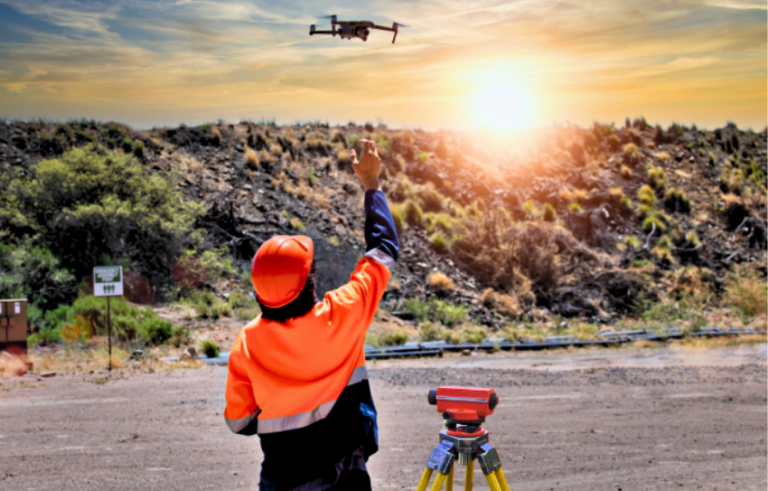
As we examine the future of drone surveys, it becomes that the benefits are numerous and varied. This article highlights 30 compelling reasons to think about drone surveys for the next project you undertake, in comparison to traditional methods and demonstrating their applications in different fields. Regardless of whether you are working in construction projects, real estate, or farming plans, grasping the advantages of these surveying from above can have a major effect on project planning and execution. Stay with us as we uncover how drone technology continues to shape how we conduct surveying and mapping, leading to greater efficiency and better decisions. Pros of Aerial Surveys
Aerial surveys offer a significant edge in terms of quickness and efficiency. Traditional surveying methods can be time-consuming and cumbersome, often requiring considerable manpower and lengthy periods in the field. In contrast, drones can rapidly cover large areas, collecting massive amounts of data in a much shorter of the time. This rapid data collection allows for speedier project turnaround and the ability to promptly adapt to evolving site conditions.
Additionally, key advantage of drone surveys is their affordability. By reducing the need for manual manpower and reducing the time spent on site, organizations can reduce labor costs and save on expenses associated with traditional surveying equipment. Additionally, the exceptional precision and accuracy of drone surveys lead to less errors and redoing work, further contributing to overall project savings. This financial benefit makes drones an appealing for various fields such as building, agriculture, and real estate.
Lastly, drone surveys enhance protection, particularly in risky environments. Surveying hazardous sites, such as high structures, mining operations, or areas of catastrophe, poses risks to human surveyors. Drones can access these areas without putting people in danger. https://rask-willoughby-2.hubstack.net/a-fresh-perspective-advantages-of-drone-inspections-for-companies improves worker safety but also allows data collection in locations that would be difficult or impossible to survey using conventional methods, leading to more thorough and reliable project insights.
Applications in Different Industries
Drone surveys have rapidly become invaluable across a variety of fields. In construction, they simplify project management and improve accuracy in site assessments. By taking detailed aerial imagery and generating 3D models, drone surveys provide real-time data that aids in monitoring progress, calculating dimensions, and spotting potential issues before they become critical. This technology boosts communication among stakeholders and fosters more effective decision-making throughout the construction phase.
In farming, drone surveys are transforming farming practices by offering advanced methodologies for crop monitoring and land assessment. Drones equipped with multispectral cameras can analyze plant health, identify water stress, and optimize input usage, leading to higher yields and more sustainable farming. Agricultural planners can accurately evaluate land conditions and make smart decisions that improve productivity while reducing costs, highlighting the importance of drone technology in contemporary agribusiness.
The utility and construction sectors also benefit greatly from drone surveys. These aerial inspections enable quick assessments of power lines, pipelines, and roadways while improving safety measures during monitoring operations. Drones can access difficult-to-access areas, reducing the risks associated with traditional survey methods. Additionally, drone surveys provide essential data for ongoing maintenance planning, guaranteeing that critical infrastructure remains in optimal condition and allowing for timely responses to potential failures.
Future Developments in Drone Surveying
The future of drone surveying is poised to be defined by advancements in AI and ML. As these innovations advance, drones will become increasingly proficient of processing data in real-time, allowing for immediate analysis and decision-making. This means that project managers can receive prompt feedback on site conditions, yielding quicker response times and enhanced accuracy in planning. Drones equipped with intelligent software will streamline workflows, turning them indispensable tools in sectors like construction, farming, and ecological oversight.
Another important trend is the merging of drones with other state-of-the-art technologies, such as the Internet of Things and distributed ledger technology. IoT-enabled drones can gather and disseminate data with other devices in real-time, enabling efficient communication and coordination among various project stakeholders. The use of blockchain can strengthen the security and openness of drone data, allowing verifiable records of surveys that can be notably beneficial in juridical and agreement contexts. This combination of technologies will build a more integrated ecosystem for surveying, boosting efficiency and trust.
Moreover, as legal structures continue to evolve, we can expect to see broader adoption of drone surveys across different sectors. Tighter safety standards will likely result in the creation of more customized drones capable of operating in difficult environments, such as metropolitan areas or catastrophic regions. The expansion of commercial drone use will generate new markets and applications, cementing drones as a vital component in the future of surveying and spatial analysis.