The Art of Saying Goodbye: Designing a One-of-a-kind Memorial Occasion


Saying goodbye to a dear one is one of life's most profound challenges. The emotions involved can be intense, and the logistics of planning a funeral can add an additional layer of stress during an already trying time. Yet, creating a unique funeral experience is not just about meeting necessary arrangements; it is also an opportunity to celebrate a life well-lived and create memorable memories for those left behind. With careful planning, families can navigate the intricacies of this process, ensuring that the send-off reflects the individuality of the departed and brings solace to those who mourn.
In this manual, we will guide you through the essential steps of memorial planning, from understanding your choices and budget considerations to the importance of customization and cultural traditions. By exploring the various facets of the planning process, we aim to provide the tools and insight you need to make informed decisions, allowing you to focus on commemorating your loved one’s memory while easing the burden on your family during a difficult time. Whether preparing ahead or dealing with an unexpected loss, this comprehensive guide will help you tackle funeral planning with assurance and clarity.
Key Guidelines in Funeral Arrangements
The process of arranging a funeral can feel daunting, but simplifying it into distinct steps can alleviate much of the burden. To start, when a dear friend passes away, it is important to make an first call to a funeral home. They can assist you through the essential steps and support you comprehend the choices available. Next, gather important documents such as the deceased's will, insurance papers, and any advance planning information that may be available. This groundwork is key as it establishes the groundwork for the planning process.
Once you have established contact with a funeral director and collected essential documents, begin addressing the specific elements of the service. This includes choosing between burial or cremation, choosing a venue, and deciding on the type of service—be it standard or a celebration of life. Reflect on custom features that represent the character and values of your dear friend, as these details will make the service more impactful and memorable for attendees.
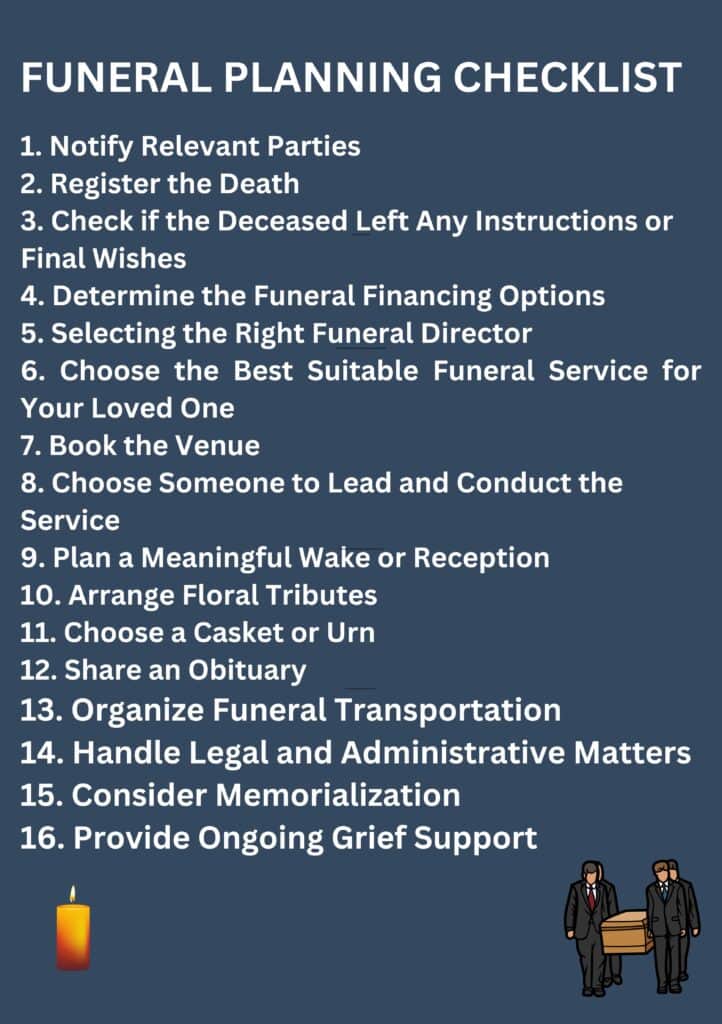
As you continue with the planning, create a list to confirm each aspect is covered, including notifications to family and friends, choosing readings or music, and ordering flowers. This systematic approach allows you to navigate the many choices involved without becoming overwhelmed, providing a clearer path through the sea of emotions of mourning and remembrance.
Tailoring the Funeral Experience
Personalizing a funeral is an essential way to honor the unique life of your deceased, delivering a significant farewell that reflects their character and values. One effective method is to choose particular themes or icons that were important to the individual. Adding items such as beloved flowers, pictures, or mementos can create a closer personal atmosphere. Additionally, selecting music that resonates with the deceased’s life experiences or that they loved can bring back treasured recollections, enabling attendees to connect on a more profound level.
Engaging relatives and friends in the preparation process can lead to a richer, more tailored service. Inviting loved ones to share anecdotes, readings, or even take part in the tributes can build a shared memory that everyone can cherish after the service. Moreover, funeral directors may include engaging components such as memory boards or digital presentations that compile images and videos of meaningful moments, enabling attendees to reflect and celebrate the individual's journey together.
Lastly, think about including ethnic or religious traditions that represent the beliefs of the deceased and their family. Whether it’s particular customs, invocations, or communal meetings, these elements can offer solace and a sense of connection among attendees. By weaving these tailored details into the service, relatives can create a meaningful tribute that honors their loved one’s legacy while providing comfort and resolution to those who mourn.
Dealing with Psychological and Realistic Challenges
Arranging a funeral can be an mentally draining process, especially when it is preceded by the death of a family member. It is essential to recognize that sorrow can obscure your thoughts, complicating matters to navigate arrangements and options. Taking a moment to reflect and think about the mourning experience is crucial. Loved ones should support one another for assistance, distributing the load of planning to ease some of the emotional pressure. Remember that it’s acceptable to be overwhelmed; permit yourself to ask for support from companions, loved ones, or even therapists.
On the realistic front, having a memorial planning list can greatly simplify the strain. This guide should cover all aspects from finding a mortuary to thinking about interment or cremation options. It’s also important to understand the costs involved and what you are covering, which can reduce unexpected pressure as you navigate your options. Make use of options available, including morticians, who can aid with simplifying the organization process and provide support specific to your particular circumstances.
Additionally, cultural traditions and personal beliefs play a significant role in how loved ones approach the planning process. It is important to address these elements collectively, ensuring that the ceremony celebrates the departed in a fashion that is important to the loved ones. Including individualized features during the tribute can create a touching tribute that reflects the spirit of the honored individual. While the planning might seem daunting, keeping in mind the importance of the final tribute can inform choices and encourage a feeling of calm during a difficult moment.