The Ultimate Guide to Anti-Cancer Supplements: What Works and What Doesn't


In recent years, dialogue surrounding supplements aimed at combating cancer has gained significant attention, with countless individuals look for methods to complement traditional cancer treatments with natural remedies. However, going through this landscape can be daunting, with countless products on the market claiming to offer exceptional benefits. Though the potential of supplements may be, it is important to differentiate fact from falsehood. This guide aims to provide straightforward, evidence-based insights into the world of anti-cancer supplements, helping you understand what science actually states about their potency and how they can be integrated securely into your wellness routine.
As you begin this journey, it is imperative to consider the role supplements can play not only in aiding the body during treatment but also in promoting overall health and well-being. From vitamins and minerals to herbal compounds and immune-supporting nutrients, a range of options exist that researchers are actively studying for their potential anti-cancer properties. Yet, not all supplements are created equal, and making informed decisions requires grasping the nuances behind each product and its consequences. This guide will help you steer through these complexities, allowing you to discuss your supplement choices with your healthcare provider and include them carefully into your cancer care plan.
The Science Behind Cancer-Preventing Supplements
Investigations into cancer-preventive supplements often center on the biochemical mechanisms underlying possible benefits. A variety of these supplements contain substances that may exert effects such as enhancing immune function, reducing inflammation, or combating oxidative stress. For illustration, antioxidants like vitamins C and E are thought to shield cells from damage caused by oxidative agents, which can contribute to cancer development. However, the performance of these supplements is quite variable, as the complex nature of cancer means that not all ingredients will exhibit the same protective effects throughout different types of cancer.
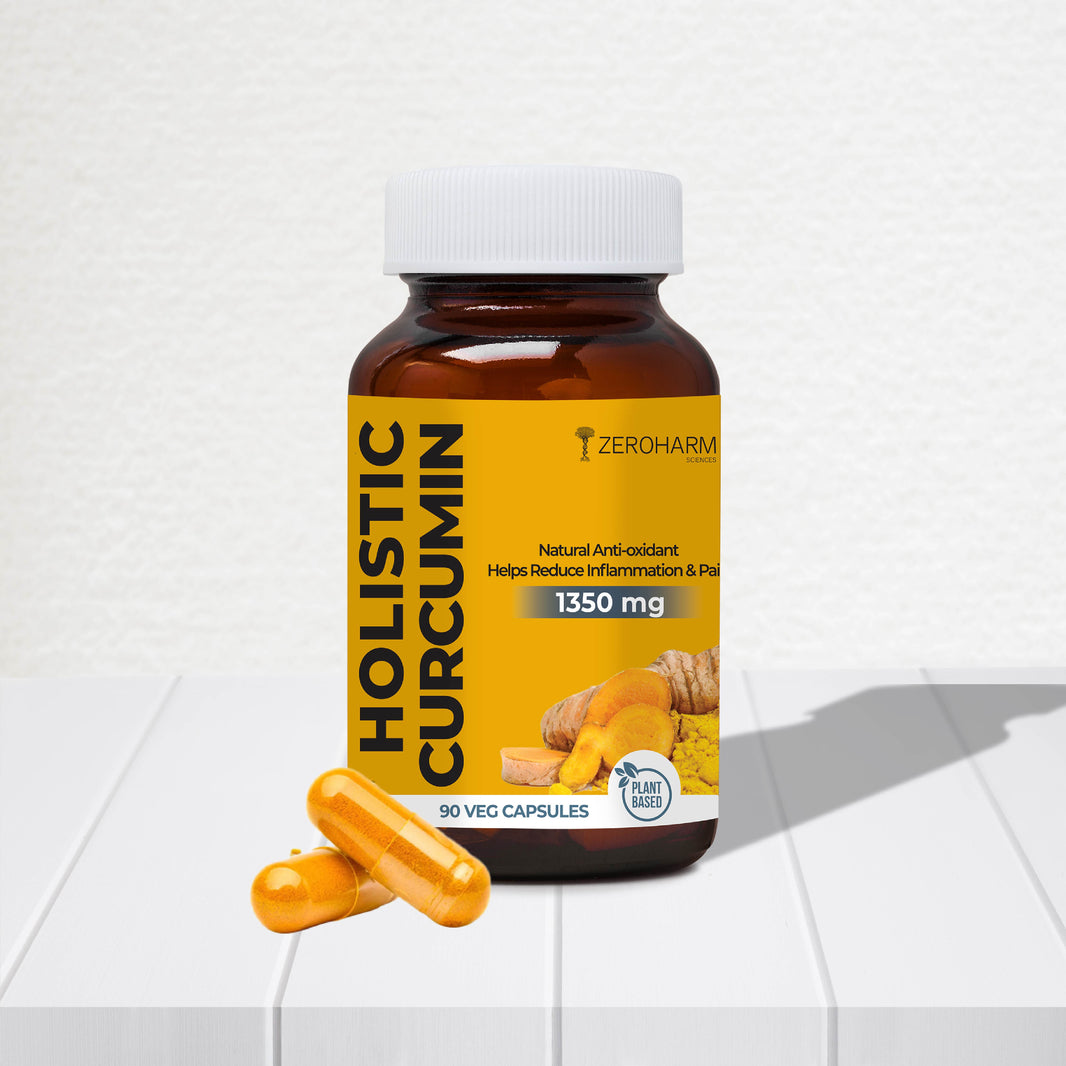
In recent years, studies have examined specific herbal compounds and their functions in cancer prevention and treatment assistance. Curcumin, derived from turmeric, and resveratrol sourced from grapes have garnered attention for their potential anti-inflammatory and anti-cancer properties. Clinical trials exploring these compounds often demonstrate potential, yet outcomes can be inconsistent due to variations in study design, dosages, and bioavailability of the substances in question. As research continues, understanding how these nutrients work on a cellular level will play a crucial role in their inclusion into cancer care.
It's crucial to highlight that while some nutrients show possible benefits, they are not a alternative for traditional cancer treatments. The distinction between cancer treatment and supportive supplements is vital for patient safety and enhancing overall treatment outcomes. Integrating nutrients into a holistic care plan requires thoughtful thought and guidance from clinical professionals, stressing the need for knowledgeable decision-making based on up-to-date scientific evidence.
Opting for and Using Supplements Safely
In the process of considering cancer-fighting nutraceuticals, it is important to emphasize security and effectiveness. Seek out items that have been assessed by third-party organizations for cleanness plus potency. Certifications from entities such as the United States Pharmacopeia and NSF International can provide reassurance that the product contains the ingredients listed on the label plus is void of toxic contaminants. Studying Take a look at the site here plus reading customer reviews can also assistance spot trustworthy items.
Before starting any dietary supplement plan, it is necessary to talk over your choices with your doctor, particularly if you are going through cancer treatment. Some supplements can interfere with medications or conflict with therapies, possibly diminishing their effectiveness or increasing side effects. Your doctor can assist you in choosing nutritional aids that might be beneficial for your specific situation while making sure that they match safely with your regimen.
Learning yourself on the potential advantages plus risks linked to different nutraceuticals is essential for making informed choices. Pay attention to evidence-based supplements backed by clinical research, and be cautious of items that make exaggerated promises without scientific validation. It's also wise to be mindful of dosage recommendations guidelines, as taking excessive amounts can lead to adverse effects. Ultimately, a thoughtful method to using supplements can contribute positively to your overall well-being and well-being during your cancer journey.
Complementary Methods to Oncology Care
Holistic methods to oncology care focus on treating the entire person rather than just the disease. This philosophy stresses the importance of combining standard medical treatments with alternative therapies, such as diet, exercise, and supplementation. By doing so, individuals can enhance their total wellbeing, alleviate symptoms, and potentially boost treatment outcomes as they navigating cancer care.
One key element of complementary oncology is the collaboration between healthcare providers and patients in creating a customized plan. This includes discussing which cancer-fighting supplements may be helpful for specific situations and ensuring their effective use in conjunction with conventional treatments. Healthcare providers can help patients identify premium supplements that are based in science, as well as offer guidance on dosage and timing to maximize benefits and minimizing risks.
In addition, incorporating lifestyle changes such as dietary adjustments, exercise, and stress reduction can greatly impact a patient's quality of life. Studies indicates that certain vitamins, minerals, and natural compounds have possible roles in supporting immune function and cellular health, rendering them valuable allies in cancer support. By considering bodily, psychological, and dietary needs in a holistic manner, integrative approaches aim to enable patients on their cancer journey while emphasizing the significance of professional guidance.