Turning Gunk into Great: Transforming Your Drains to Their Former Glory


Blocked drains are a typical domestic headache that can transform a simple duty into a exasperating ordeal. Whether it's the sink in the kitchen that struggles to drain or a bathroom shower that appears to be turning into a mini swimming pool, understanding the reasons and ways to prevent of these issues is essential for any homeowner. Familiarizing yourself with the key signs your drain is about to clog can save you time and money later on.
In this piece, we will look into a comprehensive guide to clearing drains, from the 30 common causes of clogs to successful DIY methods and contractor options. We will also investigate the importance of routine drain maintenance, how to tackle specific issues like hair blockages in bathroom sinks, and the benefits of natural remedies. By the end, you will be armed with the information needed to convert your drains from clogged to great, ensuring smooth sailing in your plumbing for many years.
Regular Reasons of Obstructed Sinks
Blocked sinks can be a common issue for numerous homeowners, frequently caused by a blend of everyday activities and maintenance oversights. One significant contributor is hair strands buildup, particularly in bathroom sinks and showers. As hair mixes with detergent, conditioner residues, and other debris, it creates a persistent blockage that can impede water flow. Consistently using drain covers and scheduling periodic cleanouts can assist reduce this issue.
An additional prevalent cause is fat buildup, especially in cooking sinks. When cooking fats, oils, and food particles are washed down the drain, they can harden and form a thick, viscous layer inside the pipes. Over time, this layer restricts drainage and can lead to severe clogs. To prevent grease buildup, it's critical to get rid of cooking oils properly and use a strainer to trap food scraps before they reach the plumbing system.
In also, stray objects can lead to unexpected drain blockages. Items such as cotton swabs, dental floss, and even toys can unintentionally make their way into drains, causing obstructions that interrupt normal water flow. To avoid these kinds of clogs, it's essential to educate family members about correct disposal methods and regularly check for potential hazards around sinks and toilets.
Preventive Actions and Upkeep
Routine upkeep is essential to preventing clogged drains. Homeowners should implement simple practices such as using drain covers to catch hair and debris, especially in bathroom sinks and showers. Occasionally cleaning these covers and checking for any blockages can significantly lower the chances of clogs. Additionally, educating family members on what can and cannot be disposed of down the drain can promote healthy practices that keep drains clear.
Another efficient strategy is to conduct routine inspections and cleanings of your plumbing system. Simple methods like flushing drains with hot water or a mixture of baking soda and vinegar can help eliminate minor buildups before they escalate. Keeping a seasonal maintenance checklist is helpful for monitoring all drains in your home, ensuring that you tackle any slow drains immediately and avoid more severe issues down the line.
In conclusion, for more serious cases or commercial properties, hiring a professional for annual drain inspections may be worth the investment. Experts can utilize tools like drain cameras to diagnose any underlying problems, ensuring early detection of potential clogs or damages. This proactive approach not only prolongs the durability of your plumbing but also prevents costly repairs caused by neglected drainage issues.
Clearing Methods and Options
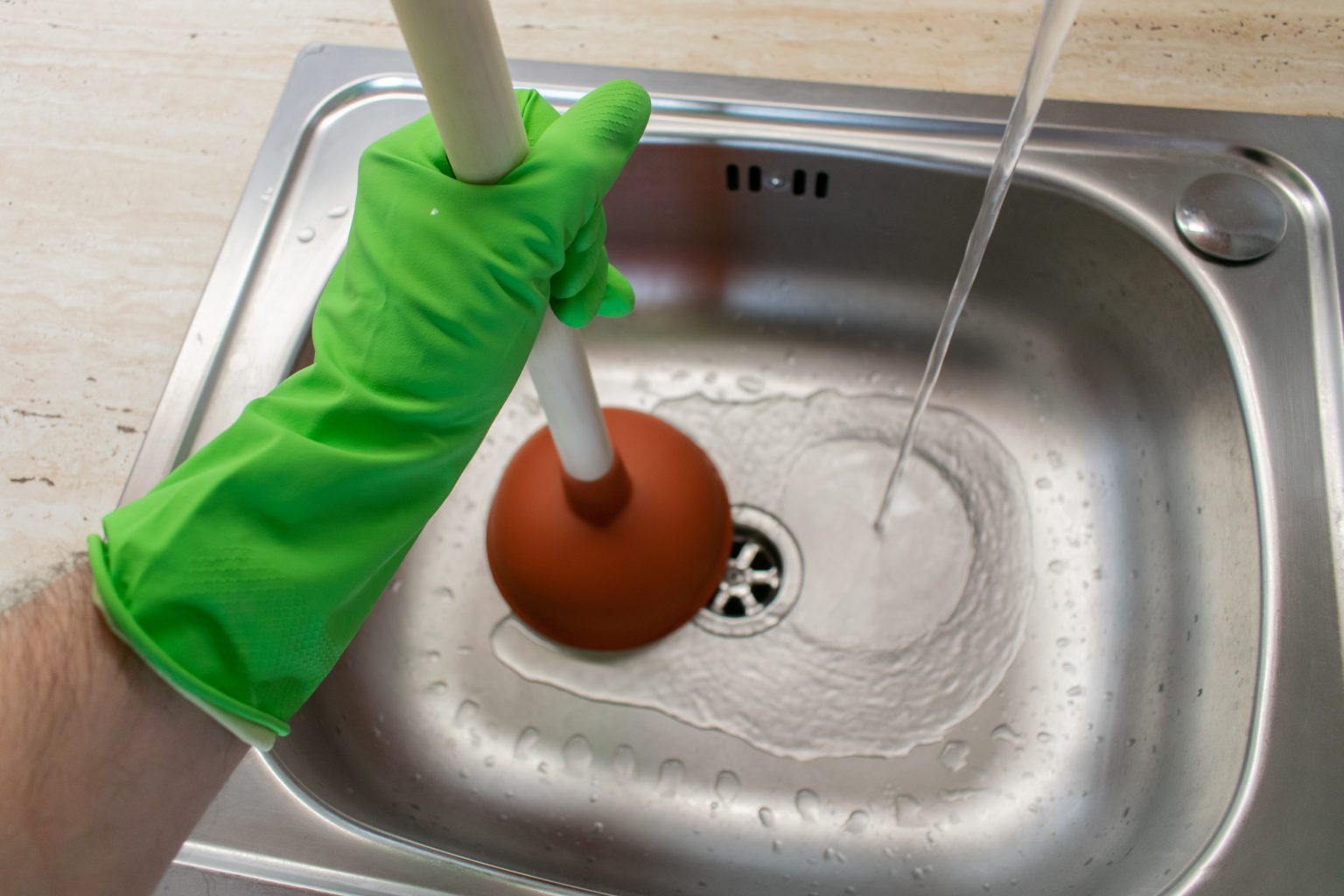
When facing a persistent clog, there are several successful methods to explore. One popular method is the use of a toilet plunger, which can create suction and dislodge the blockage. However, for more severe blockages, a drain snake might be needed. This tool can reach further into the plumbing to retrieve hair, fat, or various debris. Additionally, boiling water can be a straightforward yet effective solution for grease clogs, as it helps to break down the buildup and wash it out.
For those who favor a more natural approach, there are several remedies that can effectively clear clogged drains. A mixture of sodium bicarbonate and acetic acid is a time-honored solution, as the chemical reaction helps to break down gunk. Alternatively, a solution of salt and baking soda followed by hot water can also be quite effective. These natural methods are not only green but also less harmful for your pipes compared to aggressive chemical drain cleaning agents that can cause long-term damage.
In cases where DIY methods do not work, it may be time to contact the experts. Professional plumbers have access to advanced tools such as hydro jetting, which uses high-pressure water to clear stubborn clogs effectively. They can also utilize drain cameras to get a clear view of what’s causing the obstruction, ensuring a specific approach. Visit website and knowing when to seek professional help can prevent small clogs from turning into major plumbing issues.