A Secret Features: What Topographical Assessments Reveal About Our Surroundings


Within the constantly changing landscape of construction and land development, contour surveys are a crucial role that often goes overlooked. Such detailed assessments chart the contours, elevations, and features of the terrain, supplying invaluable data that guides architects, engineers, and planners in their decision-making processes. Grasping what a topographical survey entails and the significance can enable stakeholders to make informed choices that enhance development success and sustainability.
As city areas expand and environmental factors become paramount, the importance of precise topographical surveys cannot be emphasized enough. They function not only to define the configuration of the land but also to identify potential challenges and prospects. From residential developments to extensive commercial projects, knowing when and why to conduct these surveys is necessary for guaranteeing compliance with regulations and improving design outcomes. In this article, we will investigate the various aspects of topographical surveys, highlighting their key role in shaping our built environment.
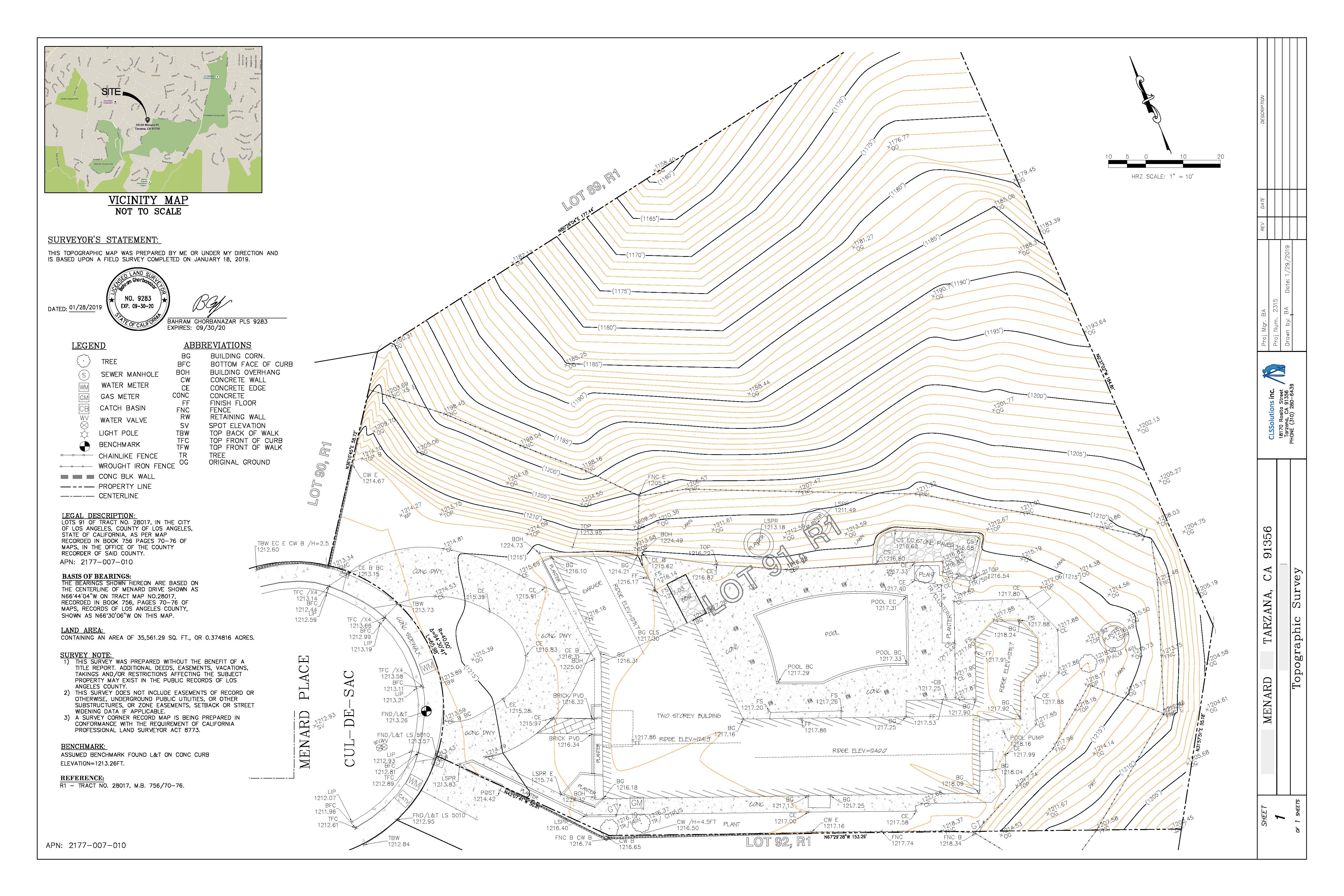
Comprehending Topographical Surveys
Topographic maps are comprehensive illustrations of the environmental and built features of a specific area of land. They encompass various aspects, including altitude modifications, slopes, vegetation, buildings, and bodies of of water. These surveys play a crucial role in engineering, architecture, and land development by providing necessary data for strategy. By showcasing the spatial arrangement of the land, topographical surveys help stakeholders envision how a construction will integrate with the surroundings.
The importance of topographic maps cannot be underrated, as they identify possible issues that may influence building and project execution. Elements such as runoff patterns, ground types, and current structures are all taken into account in these evaluations, making them crucial for successful construction results. Understanding the landscape and its features allows creators and construction professionals to enhance designs, guaranteeing adherence with regional regulations and improving the complete safety of the development.
Terrain surveys are not just for large-scale developments; they are equally valuable for less extensive domestic projects. Residents considering new homes or extensions can utilize topographical information to evaluate location constraints and grasp how variations in topography may affect their property. By providing precise and detailed data, topographic maps aid in rendering well-informed choices that refine the usable and visual qualities of new environments.
Importance in Construction Projects
Geographical surveys play a crucial role in construction projects by providing essential data about the site’s geographical features. This information includes shapes, heights, and existing structures, which are important for planners and engineers when designing their projects. Comprehending the land's terrain helps in determining the proper placement of buildings, pathways, and other developments, ensuring that construction fits with the natural landscape and minimizes possible ecological effects.
Additionally, accurate topographical surveys can significantly reduce project risks associated with unexpected site variables. https://surveyorssurrey.co.uk/ on this comprehensive insight to identify any site limitations, such as gradients, drainage concerns, and vegetation that may need to be considered before breaking ground. This anticipation can avert expensive delays and changes during construction, ultimately leading to smoother project execution and effective resource management.
Additionally, topographical surveys are essential for compliance and permitting processes. Many regions require thorough surveys as part of their planning submissions to assess the practicality of proposed initiatives. By adhering to legal guidelines and criteria, developers can ensure that their projects are not only effective but also ecologically sound, with a thorough understanding of how the site relates with local ecosystems and systems.
Contemporary Technology in Surveying
Advancements in technology have significantly transformed the landscape of topographical mapping, boosting both productivity and precision. The integration of Global Positioning System technology allows surveyors to identify specific areas with exceptional accuracy, enabling quicker information collection in the outdoors. This is particularly beneficial in large-scale projects where traditional surveying methods might prove time-consuming and labor-intensive. The utilization of satellite positioning systems means that surveyors can also maneuver through difficult terrains more successfully, minimizing the risk for human error.
Unmanned Aerial Vehicles have surfaced as a formidable tool in geospatial mapping, providing drone footage that captures intricate views of the terrain from different perspectives. Equipped with high-resolution cameras and LiDAR sensors, drones can conduct assessments over wide areas in a shorter of the time compared to ground-based methods. The data collected from UAV surveys can be processed using cutting-edge software, allowing surveyors to create highly accurate 3D models of the terrain. This feature not only streamlines the surveying procedure but also improves representations for customers and investors.
Lidar scanning technology further improves the accuracy of geospatial surveys by gathering millions of information points in a single scan. This method provides a detailed depiction of the terrain, including subtle changes in elevation that might be overlooked by conventional surveying methods. The data can be applied for a variety of purposes, such as assessing potential flooding hazards or informing drainage design. As surveying methods continue to evolve, these contemporary technologies are key for delivering prompt and precise results, ultimately supporting efficient preparation and construction projects.