This Elevation Game: Excelling in Topographical Surveying Techniques


Geospatial analyses are a key element of property development projects, delivering comprehensive insights about the terrain, features, and altitudes of a site. These assessments play a significant part in the planning of various projects, whether they involve residential, retail, factory, or utility developments. Grasping what a topographical survey entails and its importance can significantly impact the success of any building project.
In this post, we will explore the fundamentals of topographical assessments, including their goals, the data they provide, and when they are required. We will review how modern tools has revolutionized the measurement process, making it more precise and efficient. Additionally, we will contrast topographical surveys with land assessments, review the implications of omitting a assessment, and highlight the necessity of professional expertise in obtaining reliable results. Join us as we delve into the world of geospatial surveys and explore how they support successful construction outcomes.
Grasping Topographical Evaluations
Terrain evaluations constitute crucial instruments utilized to outline the shapes and characteristics of ground. They provide a thorough representation of the surface, displaying geological and constructed elements such as hills, lowlands, pathways, and edifices. This data is vital for a multitude of projects, helping professionals visualize the pre-existing landscape and execute informed choices during planning and performance. By documenting height fluctuations, topographical surveys allow for exact site evaluation, which is critical for effective construction.
The significance of topographical assessments is immeasurable, as they inform different aspects of initiative execution. They assist architects and technicians in understanding site limitations and possibilities, ensuring that plans align with the physical realities of the land. This understanding eliminates possible problems during building, thereby conserving duration and funds. Additionally, geographic surveys are essential in regulatory adherence, as they help determine any laws or restrictions related to the location's land features.
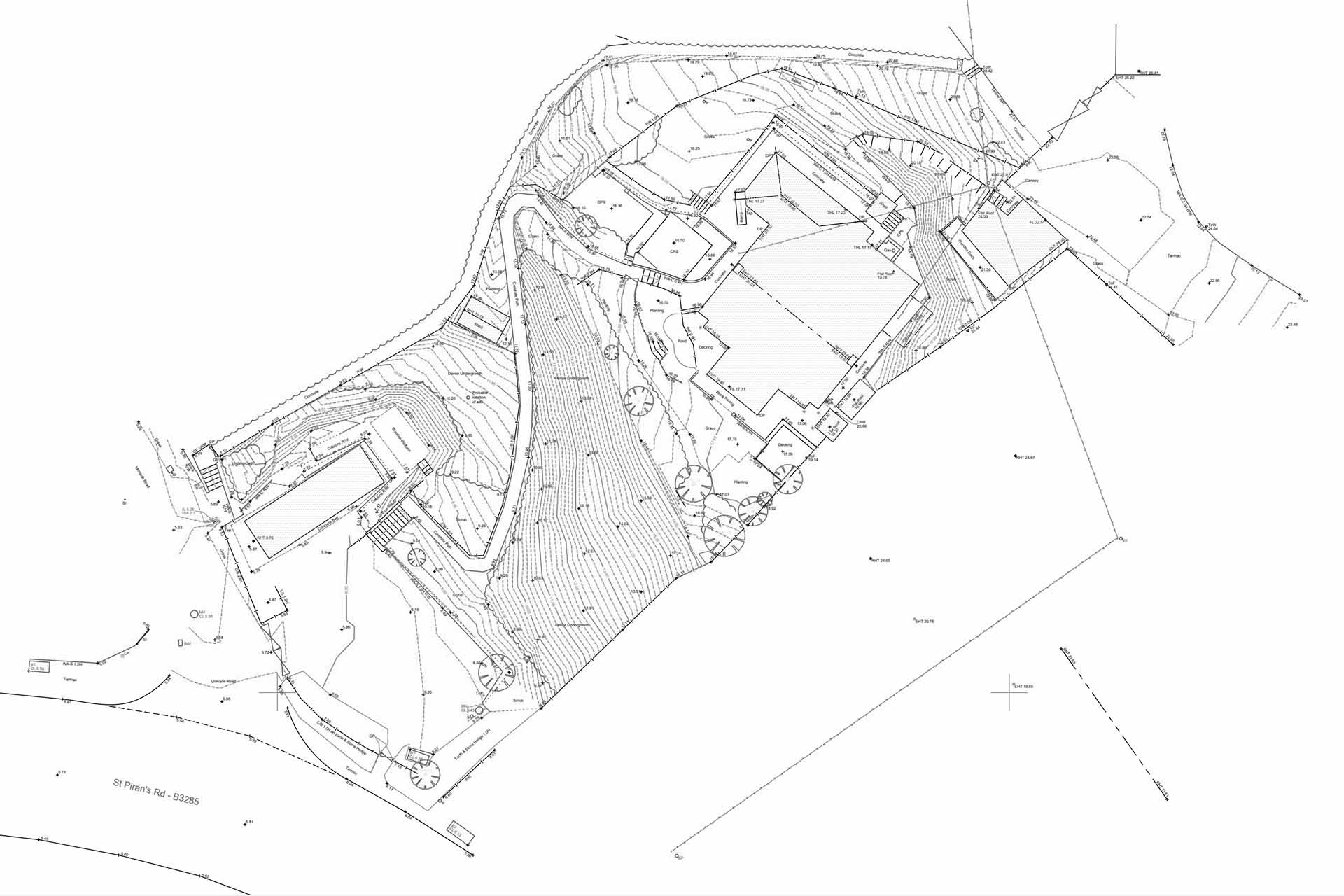
Contemporary developments in technology have transformed the approaches used for executing geographic evaluations. Methods such as Global Positioning System, UAVs, and 3D scanning now allow analysts to obtain accurate data rapidly and efficiently. These innovations have not just boosted the accuracy of the evaluations but also lowered labor efforts and outlays. By employing these advancements, consultants can provide comprehensive survey information that facilitates a variety of development and design tasks, ultimately resulting in more effective project conclusions. spintax ### Significance of Topographical Surveys in Construction
Geological surveys serve a essential role in the preparation and implementation of development initiatives, providing a comprehensive depiction of the terrain in question. Those surveys record essential features, including heights, site profiles, and current buildings, which help architects create more effectively. Having accurate measurements of the location, teams can spot likely challenges sooner in the workflow, leading to more informed decisions and superior project outcomes.
Grasping the land's topography is vital for various aspects of development, like drainage design, road positioning, and dealing with environmental impacts. Terrain surveys assist engineers to map out how water flows through a location and to anticipate challenges like overflows or wear. Topographical Surveys Woking Surrey permits more effective drainage solutions, ultimately cutting time and reducing costs associated with future modifications or repairs.
Besides enhancing conceptualization and preparation, topographical surveys assist in ensuring adherence to laws with planning and regulatory regulations. Many municipalities necessitate these surveys to validate that endeavors adhere to local requirements regarding zoning laws. With a thorough topographical survey, developers can eschew issues later on, guaranteeing that the initiative continues without issues and satisfies all legal standards.
Digital Progress in Topographical Surveying
The landscape of topographical surveying has considerably evolved with the advent of advanced technology. Old-fashioned approaches, while efficient, often required extensive manual labor and lengthy processes. Currently, instruments such as GPS, unmanned aerial vehicles, and light mapping have streamlined these procedures, allowing surveyors to collect data with extraordinary rapidity and accuracy. This shift not only enhances the quality of the surveys but also boosts the efficiency of initiatives, allowing for quicker decision-making and execution.
Unmanned aerial vehicles, in particular, have revolutionized topographical mapping by enabling the gathering of high-altitude data over extensive areas in a short of the duration it would take using conventional approaches. Equipped with high-resolution cameras and Light Detection and Ranging technology, unmanned aerial vehicles can generate detailed three-dimensional models of landscape, providing insights that would be challenging to gather through ground-based surveying alone. This development has expanded the scope of surveys, making it simpler to evaluate hard-to-reach or dangerous locations without risk.
Furthermore, the integration of Geographic Information Systems with topographical surveys has boosted the capability to analyze and interpret data. Geographic Information Systems allows surveyors to overlay various types of information, such as topography, land-use planning, and usage, creating a complete view that supports better planning and construction decisions. As technology continues to develop, topographical mapping will become even more attainable and precise, opening the path for successful building and land development initiatives.